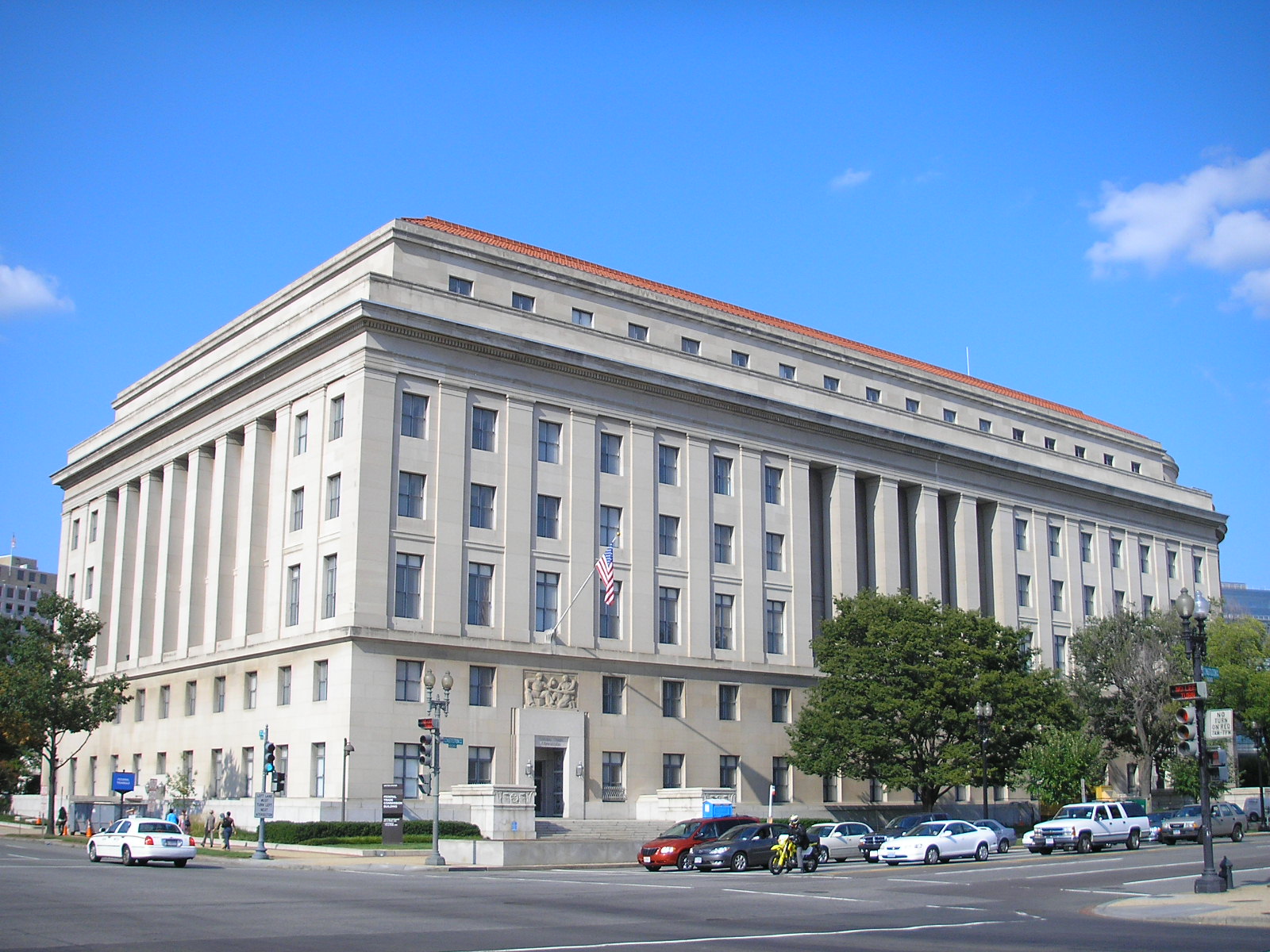
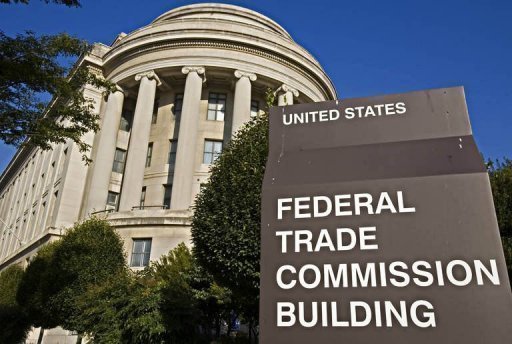
At the request of the Federal Trade Commission, the U.S. District Court for the Northern District of California has ordered Swish Marketing, Inc. to pay more than $4.8 million for misleading hundreds of thousands of payday loan applicants into paying for an unrelated debit card. For some time, the Commission has been closely monitoring payday lending and other financial services in order to protect financially distressed consumers.
According to the FTC’s complaint, Swish Marketing and three individuals operated websites advertising short-term, or “payday,” loan services that allegedly matched loan applicants with lenders. The websites included an online loan application form that tricked online loan applicants into unknowingly ordering a debit card.
On many sites, clicking the button for submitting loan applications led to four product offers unrelated to the loan, each with minuscule “Yes” and “No” buttons. “No” was pre-checked for three of them, while “Yes” was pre-checked for a debit card, with inconspicuous disclosures asserting consumers’ consent to have their bank account debited. Consumers who clicked a prominent “Finish matching me with a payday loan provider!” button were subsequently charged for the debit card. Additional websites represented that the card was a “bonus” and disclosed the fee only in inconspicuous fine print below the submit button. Consumers were each improperly charged up to $54.95.
The Commission charged Swish Marketing, VirtualWorks LLC (the seller of the debit card), and principals of the operation with deceptive business practices in 2009. The FTC filed an amended complaint against the Swish Marketing defendants in 2010, including allegations that they sold consumers’ bank account information to VirtualWorks without consumer consent, and that the principals were aware of consumer complaints about the unauthorized debits.
Three principals, as well as the VirtualWorks defendants, settled the charges against them.
The court order announced last week requires Swish Marketing to pay more than $4.8 million and bans it from marketing any product with a “negative-option” program, in which a consumer’s silence or failure to reject a product is treated as an agreement to make a purchase. The order also requires the company to obtain consumers’ informed consent before it can use their personal information collected for a particular purpose for any other purpose or by a different entity, and bars the company from: (1) misrepresenting material facts about any product or service, such as the cost or the method for charging consumers; (2) misrepresenting that a product or service is free or a “bonus”, without disclosing all material terms and conditions; (3) charging consumers without first disclosing what billing information will be used, the amount to be paid, how and on whose account the payment will be assessed, and all material terms and conditions; and (4) failing to monitor their marketing affiliates to ensure that they are in compliance with the order.
Richard B. Newman is the premier Internet Attorney and FTC Compliance and Litigation Defense Lawyer at Hinch Newman LLP. He has made a name for himself in the interactive advertising and affiliate marketing industries and can be contacted at rnewman@hinchnewman.com