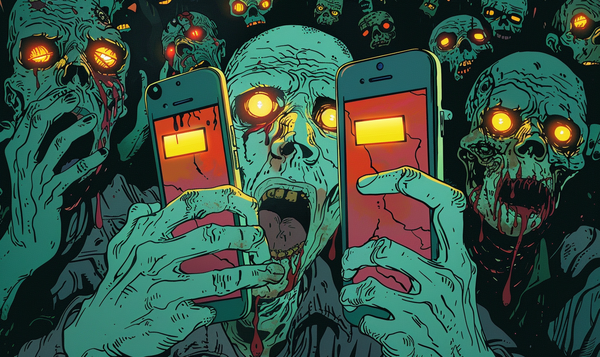
Streaming’s Big Lie: The Future of TV Is Already Broke

Streaming was supposed to be the savior of TV—the rebellious new kid with no commercials, endless content, and an open bar of binge-worthy dopamine hits. But, as Doug Shapiro’s sharp, no-BS research reveals, the revolution is out of cash and looking for a loan. Streaming doesn’t just monetize less—it barely monetizes at all. For every streaming dollar generated, old-school pay TV is making it rain with three dollars in subscriber fees and seven dollars in ad revenue. In other words, streaming might have the hype, but pay TV still has the house.

Let that sink in: the industry’s shiny new thing isn’t just a less profitable model; it’s a fundamentally broken one. And the implications aren’t just bad—they’re existential.

The “Monetization Problem” No One Wants to Talk About

Here’s the deal: streaming might have a sleek user interface and clever recommendation algorithms, but it hasn’t figured out how to make money. Pay TV, that lumbering dinosaur we’ve all written off as extinct, still generates mountains of cash. Shapiro’s data spells it out—streaming’s revenue per home is a joke compared to pay TV.

Take Netflix, the poster child of streaming. Sure, it boasts billions in revenue, but those billions pale in comparison to the tidal wave of money still rolling into traditional TV. Why? Because people pay for pay TV. They pay subscriber fees, they pay for bundles they barely use, and advertisers pay premiums to reach their captive audiences. Streaming doesn’t have that kind of lock-in—most subscribers are one click away from canceling.

And don’t get me started on ad-supported streaming. Streaming ads don’t command the same CPMs (cost per thousand impressions) as linear TV, and even the platforms themselves are treating ads like a necessary evil instead of a moneymaker. When your business model boils down to “we’ll figure it out later,” it’s not a business model—it’s a wish.

Traditional TV: Dead But Still Dancing

For all the doom-and-gloom headlines about linear TV, Shapiro’s data paints a more nuanced picture. Two-thirds of U.S. video revenue still comes from good old-fashioned television. That’s right: the thing you only use to watch the Super Bowl and complain about cable bills is still king.

Linear TV’s dominance boils down to two simple truths: advertisers love it, and audiences stick with it. Despite the rise of streaming, traditional TV delivers consistent, predictable reach—something streaming hasn’t figured out. It’s the dependable Honda Civic to streaming’s unreliable Tesla.

But here’s where it gets wild: even with all that staying power, TV isn’t growing either. The pie isn’t getting bigger—it’s just being sliced differently. Shapiro’s data shows that every dollar streaming gains comes at the expense of something else. It’s not growth; it’s cannibalization.

Why Big Media Is Freaking Out

Shapiro’s research drops another bomb: video profits for big media companies are cratering. Revenue is up a measly 6% since 2018, but margins? Down 38%. That’s a hemorrhage, not a hiccup.

What’s driving the decline? For one, the cost of creating premium content has skyrocketed. Scripted dramas that used to cost $3-4 million per episode are now running $10 million or more. Meanwhile, streaming platforms like Netflix are pouring billions into original programming to compete, but they’re still chasing their tails trying to recoup those costs.

This isn’t just a bad quarter—it’s an industry in free fall. Media execs are learning the hard way that you can’t slap together a $200 million budget for a mediocre sci-fi show and expect subscribers to fund it indefinitely.

GenAI: The Hollywood Killer?

Enter GenAI, the new disruptor everyone’s whispering about. Shapiro points out that generative AI has the potential to blow Hollywood’s business model to pieces. Imagine creating an animated film that’s 80% as good as Pixar’s, but at 10% of the cost. That’s not just a game-changer—it’s a wrecking ball.

Animation, Shapiro argues, is the canary in the coal mine. It’s the first place where AI will replace bloated production teams with lean, fast, and cheap workflows. And it won’t stop there. As AI tech evolves, it could upend everything from pre-production to post-production. Why pay for location shoots and extras when you can render them in AI? Why hire a VFX team when a machine can do it in real-time?

But here’s the real kicker: the biggest threat isn’t that studios will replace people with AI—it’s that outsiders will use AI to replace studios. Picture a 19-year-old with an NVIDIA GPU and a dream creating content that rivals Netflix. It’s not just plausible—it’s inevitable.

YouTube: The Trojan Horse

While Hollywood wrings its hands over AI, YouTube is quietly eating its lunch. Shapiro’s data shows that YouTube is already the #1 streaming service on TVs. Yes, TVs. Not your phone, not your laptop—your living room TV.

And it’s not just cat videos anymore. Creator-driven content, led by juggernauts like MrBeast, is siphoning off viewers from kids’ programming and unscripted TV. Even YouTube itself is leaning into the TV model, rolling out features like “seasons” and “episodes” to make its content more binge-worthy.

The implications are staggering. YouTube isn’t just competing with Hollywood—it’s redefining what TV even is. And unlike Netflix, it’s profitable.

Why This All Matters

So why does any of this matter? Because the media industry is in the middle of an existential crisis, and most of its players are pretending everything’s fine.

Shapiro’s research lays bare the cracks in the foundation. Streaming, once seen as the future, is turning into a race to the bottom. Traditional TV is hanging on by sheer inertia. And disruptive forces like YouTube and GenAI are reshaping the landscape faster than anyone can adapt.

The stakes couldn’t be higher. Media isn’t just another industry—it’s the cultural fabric of our lives. The stories we tell, the voices we amplify, and the ways we connect are all tied to this ecosystem. If the industry collapses under its own weight, we lose more than jobs and profits—we lose the narratives that shape our world.

But hey, maybe a 19-year-old with a laptop will save us. Stranger things have happened.

Stay bold, stay curious, and know more than you did yesterday.

When Ad Titans Tango: Omnicom and IPG’s $25 Billion Waltz to Dominance

In a move that has the advertising world clutching its collective coffee cups a little tighter, Omnicom Group has thrown down the gauntlet—and not just any gauntlet, but one glittering with the promise of turning the industry’s landscape into their personal playground. On Monday morning, Omnicom announced its audacious plan to acquire Interpublic Group (IPG), potentially creating the heavyweight champion of advertising with a combined punch of over $25 billion in annual revenue. If this merger goes through, it won’t just be a merger; it will be the corporate equivalent of Beyoncé and Jay-Z joining forces—massive, influential, and impossible to ignore.

Picture this: two titans meeting in the boardroom arena, suits swishing like capes as they execute a flawless unanimous agreement on an all-stock deal. It’s the kind of high-stakes dance that sends Wall Street into a frenzy and makes even the most stoic shareholders’ hearts skip a beat. John Wren, Omnicom’s venerable CEO, and Philippe Krakowsky, the fresh-faced leader of IPG, are now set to co-pilot this mega-ship. Think of them as the Batman and Robin of the ad world—only instead of fighting crime, they’re out to conquer the digital marketing universe.

In their joint manifesto, the newly engaged couple promised to unleash $750 million in annual cost synergies. That’s right, folks—$750 million! It’s like finding a hidden treasure chest at the bottom of a corporate ocean, just waiting to be plundered for operational excellence and killer profit margins. But let’s not kid ourselves; behind the glittering promise of cost savings lies the inevitable reality of job cuts and restructuring. It’s the corporate equivalent of a reality TV makeover—exciting on the surface, but with plenty of drama simmering beneath. Employees across both conglomerates are bracing for the shakeup, knowing that with great synergy comes great upheaval. The promise of efficiency is sweet, but so is the bitter taste of uncertainty that comes with it.

Of course, no grand romance is complete without a few obstacles. The deal is currently courting approval from shareholders and the ever-skeptical regulatory bodies like the FTC and DoJ. Imagine the merger as a couple trying to sneak past the stern gatekeepers of competition law—will they charm their way through, or will the regulatory hawks tear their plans to shreds? With the political climate favoring big business and a potential Trump-in-residence scenario, some pundits are betting that Omnicom and IPG will waltz past these hurdles with a wink and a nod. Yet, the specter of antitrust battles looms large, threatening to turn this corporate love story into a courtroom drama worthy of primetime TV.

This merger isn’t just a lovechild of two marketing giants; it’s also a lovefest for the health marketing sector. Omnicom Health Group and IPG Health are about to become one big happy family, complete with consulting firms, medcomms shops, patient advocacy, and clinical trial management services. It’s like the Avengers assembling all their specialized heroes into one unstoppable force—each agency bringing its unique superpower to the table, ready to tackle the challenges of healthcare marketing with data-driven finesse and creative prowess. The consolidation promises to streamline operations and create a powerhouse capable of handling everything from strategic consulting to hands-on clinical trial communications with the finesse of a Swiss watchmaker.

With Omnicom and IPG merging, they’re not just playing with the big boys—they’re stacking themselves up to outshine Publicis Groupe and WPP, the current titans with the largest market caps. Picture this: the corporate equivalent of a heavyweight boxing match where Omnicom-IPG is not just stepping into the ring but aiming to land the knockout punch. Their secret weapon? A combined heft in AI and data analytics that’s set to transform the advertising landscape from a sluggish chess game into a hyper-speed, algorithm-driven frenzy.

Simon Nicholls from GP Bullhound isn’t mincing words—he likens this merger to a seismic shift, a tectonic upheaval that’s about to rearrange the very foundations of the industry. Think of it as the moment the ground cracks open and reveals a new layer of strategic depth and technological prowess that no one saw coming. Meanwhile, Martin Sorrell of S4 Capital is throwing some serious shade, dismissing the AI ambitions with a snarky remark: “a merger of two drunkards leaning against the lamppost as far as AI is concerned.” Classic Sorrell, always ready to cut through the hype with a sharp jab, questioning whether Omnicom-IPG’s AI dreams are more stumble than stride.

But let’s get real—this isn’t just about stacking up revenue numbers and flexing market caps. It’s about who’s going to control the narrative in an industry increasingly written by cold, calculating algorithms and driven by relentless data streams. Omnicom-IPG is positioning itself to not only keep up with but also dictate the pace of innovation, using AI to predict consumer behavior with eerie accuracy, tailor campaigns in real-time, and automate the mundane so humans can focus on the creative genius that no machine can replicate (yet).

The drama here is palpable. On one side, you’ve got Omnicom and IPG, two of the biggest players in the game, combining their strengths to create a behemoth that could easily dwarf Publicis and WPP. On the other, Publicis and WPP aren’t just going to roll over—they’re seasoned veterans with their own arsenals of AI tools and data strategies, ready to counter every move Omnicom-IPG makes. It’s a high-stakes battle where every algorithm tweak and data integration decision could tip the scales.

The stakes? Sky-high. We’re talking about who sets the trends, who attracts the top-tier clients, and who ultimately defines the future of advertising in a world where digital dominance is king. The bell has just rung for the first round, and the advertising world is on the edge of its seat, popcorn in hand, watching these titans clash. Will Omnicom-IPG deliver the knockout blow that reshapes the industry, or will Publicis and WPP prove too formidable, turning this merger into another legendary bout that everyone talks about for years?

One thing’s for sure: this merger is more than a mere corporate consolidation. It’s a bold statement of intent, a declaration that Omnicom and IPG are not just participants in the future of advertising—they’re here to dominate it. As they leverage their combined AI and data analytics prowess, they’re setting themselves up to not only compete but to lead the charge in an industry where being data-driven isn’t just an advantage; it’s a necessity.

Every grand merger has its casualties, and this union is no exception. With $750 million in annual cost savings on the horizon, expect layoffs and restructuring to ripple through the workforce like a shockwave. Forrester’s grim projection of 33,000 ad agency jobs lost by 2030 due to automation adds another layer of anxiety. Industry veterans like Simon Francis predict a future with fewer big roles and a glut of junior positions, turning the career ladder into a frustratingly narrow slide. Yet, in every crisis lies an opportunity—smaller, nimble agencies might just find their moment to shine as the giants grapple with their newfound size and complexity. The merger could act as a catalyst for innovation, forcing legacy systems to shed their cumbersome layers and embrace the agility needed to thrive in a rapidly evolving marketplace.

At the heart of this colossal merger is the quest for technological supremacy. Omnicom and IPG are pooling their resources to dominate AI and data-driven marketing, aiming to outpace the relentless march of Big Tech disruptors. Simon Nicholls aptly summarizes it: “Technology and data have been the largest drivers of differentiation and growth for agencies, and with additional scale, Omnicom-IPG can leverage major tech investments like never before.” It’s a high-stakes game of chess where the pieces are algorithms, and the pawns are traditional ad services. The real power move here is their ambition to create proprietary AI platforms that can predict consumer behavior with uncanny accuracy, tailor campaigns in real-time, and automate mundane tasks to free up human creativity for more strategic endeavors. This is not just about staying relevant; it’s about setting the pace in an industry where yesterday’s innovation is tomorrow’s baseline.

Let’s not forget the ghost of mergers past—remember when Omnicom and Publicis Groupe nearly tied the knot over a similar $35 billion deal a decade ago? The split in 2014 over executive roles, especially the CFO position, left scars and cautionary tales. Fast forward to today, and John Wren is determined to avoid repeating history’s missteps. “The lessons learned a decade ago are not going to be repeated,” he assures analysts, signaling a more strategic and perhaps less contentious approach this time around. This time, they’re playing the long game, with a clear vision of how to integrate seamlessly without the soap opera of executive power struggles. The past failure serves as a blueprint for what not to do, hopefully guiding this merger to smoother waters where both companies can fully realize their combined potential without the baggage of previous attempts.

As the merger sails toward its expected closing in the latter half of 2025, the advertising world holds its breath. Omnicom-IPG is not just merging two companies; they’re melding two corporate cultures, two sets of clients, and two visions for the future. With leaders like John Wren and Philippe Krakowsky steering the ship, the new entity aims to set new industry benchmarks in creativity, technology, and data-driven excellence. The integration process will be anything but simple—think of it as trying to blend two distinct flavors into a single, harmonious dish without losing the essence of either. The success of this endeavor hinges on their ability to maintain morale, retain top talent, and foster a unified culture that embraces change rather than resists it.

In the end, this merger is more than just a corporate consolidation—it’s a bold statement of intent in an industry facing disruption from all sides. As Omnicom and IPG join forces, they’re not just aiming to survive the storm of Big Tech and AI; they’re positioning themselves to become the very storm, redefining how brands connect with audiences in a digital age where data reigns supreme. This is their declaration that they’re not just participants in the future of advertising—they’re the architects.

So, grab your popcorn, advertising aficionados. This merger promises to be the blockbuster event of the decade, complete with high drama, strategic maneuvering, and the relentless pursuit of industry domination. Omnicom and IPG are ready to rewrite the rules of the game—let’s see if they can turn their grand design into a masterpiece or if they’ll stumble in the spotlight. One thing’s for sure: the fallout from this union will reverberate through every corner of the advertising universe, setting the stage for a new era where only the most adaptable, innovative, and data-savvy survive. The countdown to 2025 is on, and the world will be watching to see if Omnicom-IPG can truly deliver on their promise of being the ultimate marketing juggernaut or if they’ll become just another cautionary tale in the annals of corporate mergers.

In the meantime, the industry insiders are already speculating about the next moves, the potential synergies that could be unlocked, and the inevitable power struggles that will shape the new corporate hierarchy. Will smaller agencies find themselves squeezed out, or will they carve out niches that the new giant can’t touch? How will clients react to the consolidation of so much expertise under one roof? And perhaps most intriguingly, what new innovations will emerge from this union’s combined brainpower?

As Omnicom and IPG navigate the treacherous waters of merger integration, one thing remains clear: the advertising landscape is on the brink of transformation. Whether this transformation is for better or worse depends on a myriad of factors, from regulatory approvals to the seamless blending of two colossal entities with their own unique identities. But one thing is certain—this merger is a game-changer, a bold gambit in the high-stakes world of advertising where only the boldest, smartest, and most adaptable survive.

So, as the dust begins to settle and the new Omnicom-IPG entity takes shape, keep your eyes peeled and your minds sharp. The future of advertising is being written right now, and it’s going to be anything but boring.

Mobile Web Ads: The Walking Dead of Digital Marketing

Mobile web advertising is the embarrassing uncle at Thanksgiving—awkward, outdated, and somehow still getting attention despite adding no value to the conversation. 

It’s a relic of the early internet, clinging to life in the most chaotic, maddening way possible. 

Marketers, it’s time to stop the charade. The numbers are in, the experience is trash, and this digital zombie needs to be put to rest.

A Nightmare in Pixels

If you’ve had the misfortune of navigating a mobile website recently, you know the pain—it’s a gauntlet of irritation that somehow feels both outdated and aggressively modern in all the wrong ways. Picture this: you’re innocently trying to read a pop-culture article on Screen Rant. 

Maybe you just want to know why the latest Marvel movie tanked or catch up on rumors about the next season of Ted Lasso. Simple, right? Wrong.

The moment the page loads (or half-loads, because let’s not pretend these sites have optimized anything), you’re greeted by banner ads so ugly they seem ripped straight from the Geocities era—blocky text, bad colors, and maybe even a pixelated GIF for good measure. If these banners had a scent, it would be desperation mixed with stale coffee.

Then, without warning, an autoplay video crashes the party. It blasts irrelevant content at full volume while hijacking your entire screen. What’s it about? Who knows. It’s not like you asked for an ad about luxury car leases when you’re here for Netflix gossip. It’s like a bad houseguest who eats your leftovers, commandeers your TV, and never leaves.

But wait, there’s more! Just as you recover from the video ambush, the pop-ups arrive. Oh, the pop-ups. Relentless, soul-crushing little boxes that demand you subscribe, download, or take advantage of a deal nobody actually wants. 

They don’t just appear—they linger, daring you to “find the X” like some twisted escape room challenge. 

And let’s be honest: that “X” is always so tiny and sneaky, you wonder if it’s part of some malicious psychological experiment.

And the cherry on this digital disaster sundae? None of these ads actually work. They don’t inform, persuade, or engage. They just hover there—awkward, intrusive, and utterly unclickable—like the digital equivalent of a mosquito buzzing around your bedroom at 2 a.m.

 You’re swiping, scrolling, and rage-tapping, but nothing gets rid of them. They’re not selling products; they’re selling frustration.

Can someone explain the video ad below where the “skip ad” is the most visible part, along with no call-to-action, barely visible, no one wanted to pay for this. Anyone?

As one exasperated user put it:

“Nobody wants to sit there through commercial after commercial, advertisement after advertisement. After just a couple, I’m flipping the page and searching elsewhere. It’s obvious to me, but I guess common sense for some eludes others.”

And there it is: the truth we all feel but rarely articulate. These ads aren’t just a nuisance—they’re actively driving people away. Instead of drawing users in, they’re sending them scrambling for the back button like it’s a life raft. 

In a world where attention is the most precious currency, mobile web ads are burning through goodwill faster than a dumpster fire in a windstorm.

The Numbers Don’t Lie—But Ad Tech Might

Let’s talk about the numbers, and oh boy, do they paint a grim picture for the mobile web. Mobile users, on average, spend a laughably meager 19 minutes per day navigating the wild west of mobile websites. Nineteen minutes. That’s about the same amount of time it takes to decide what you’re not going to watch on Netflix tonight. And yet, brands are somehow convinced this sliver of attention span is worth billions of dollars in advertising spend.

Now, let’s stack that against the nearly four hours a day users devote to apps. Four hours! That’s where the magic happens. Apps are where we scroll through endless TikTok dances, slide into DMs, and binge on true crime podcasts. It’s where people actually engage, consume, and even (gasp!) convert. So why, oh why, are advertisers pouring cash into a channel that gets less love than a floppy disk in 2024?

The answer is simple, if depressing: denial. Denial, it seems, has become a key performance indicator for the ad tech industry. No matter how clear the data is, marketers are out here throwing their budgets into the mobile web void like it’s some kind of Hail Mary pass. They’re holding on to the fantasy that the web is still a major player, despite the reality that users are only grazing its surface like bored teenagers at a buffet with nothing but salad left.

And the spend? It’s obscene. Billions are being funneled into mobile web ads that no one sees, no one clicks, and no one cares about. These ads are so ineffective that they might as well come with a disclaimer: Warning: ROI not included. Yet, the industry keeps the grift alive, propping up a dying format like a stage parent trying to turn their kid’s one-liner in the school play into an Oscar-worthy performance.

The question we should be asking is not just “Why is this happening?” but “Who benefits from this delusion?” Spoiler: it’s not the brands. Agencies and DSPs are raking it in, happily taking their slice of the pie while the rest of us watch this digital dumpster fire burn. Publishers, meanwhile, are slapping ads on anything that moves, hoping to squeeze a few pennies out of their ad slots before users install yet another ad blocker.

But here’s the kicker: users don’t care. They’ve already voted with their time and attention, and apps are winning by a landslide. If the mobile web is a sad, deserted amusement park, apps are the shiny new theme park where everyone wants to hang out. And no amount of banner ads, autoplay videos, or pop-ups is going to change that.

So let’s stop pretending this is working. Mobile web advertising isn’t just inefficient; it’s a monument to the industry’s inability to let go of outdated strategies. The data doesn’t lie, but apparently, the industry’s collective ego is louder than any statistic. It’s time to call it: the mobile web is the ad channel equivalent of Blockbuster in the age of Netflix. Pack it up, folks. This show is over.

Even those inside the industry know it’s a scam. One mobile tech insider told us:

“Have you ever asked why so much ad tech money is spent on mobile web when the data shows it’s useless? I don’t have access to what agencies and brands spend, but look at the public site lists from DSPs—it’s all websites. It’s the great robbery of ad dollars.”


But he added a caveat:


“Obviously, this is all off the record. I wouldn’t want to upset my DSP or agency clients.”

Translation: Everyone knows it’s broken, but no one wants to bite the hand that feeds them.

The Click-Through Conspiracy

Here’s the kicker: nobody clicks these ads—at least not intentionally. Sure, there are “clicks,” but let’s be real about where they’re coming from: fat fingers. Yes, the accidental tap rate—known as the “fat finger” rate—is sitting pretty in the upper 60% range, which means more than two-thirds of those clicks are nothing more than digital slip-ups. Think about it: most mobile web ad engagement is literally a mistake. Advertisers aren’t buying clicks; they’re buying oopsies.

This isn’t a new problem, but somehow, the industry has decided to ignore it, treating accidental clicks like a win instead of the sad metric they are. Imagine if restaurants measured success based on the number of people who walked into their door by accident. “Oh, you thought this was the restroom? That counts as a diner now!”

And let’s not forget that even when someone does tap on an ad, the experience is often so painful that any glimmer of potential conversion evaporates immediately. One wrong tap leads to a new tab full of loading screens, broken links, or—worse yet—another maze of ads. It’s not just inefficient; it’s outright insulting to the user.

But the fat finger phenomenon is only half the story. The other half is the blatant user hostility of these ads. Remember that poor soul who tried to look up NFL playoff scenarios? Here’s how they described it:

“I searched for ‘NFL playoff scenarios’ and landed on a site where the actual content was buried under autoplay videos, pinned ads, and pop-overs. The viewable area for the article was maybe 200 pixels. It was unusable.”

Unusable, indeed. Not only is the content smothered by ads, but the very design seems to bait accidental clicks. You’re trying to scroll, but your thumb grazes an ad just enough to trigger it. Suddenly, you’re whisked away to some landing page you didn’t want, didn’t ask for, and will never return to.

This isn’t advertising—it’s entrapment. And the saddest part? Nobody wins. The user is frustrated, the brand’s reputation takes a hit, and the advertiser just paid for another meaningless fat-finger click. It’s a lose-lose-lose scenario masquerading as a marketing channel.

So here’s the reality check: the mobile web is no longer a viable space for ads. If your business strategy relies on fat fingers to succeed, it’s not a strategy—it’s a comedy of errors. And no amount of denial is going to change that. Time to move on.

Why Is This Still Happening?

Because the ad tech ecosystem is addicted to the status quo. DSPs, agencies, and publishers are clinging to mobile display ads like a washed-up celebrity refusing to leave the stage. Why? Money. Lots of it. They’re making too much cash from this carnival of inefficiency to face the harsh truth: mobile web display advertising is virtually useless outside of apps. Instead of fixing the problem, they slap on a few Band-Aids, call it “optimization,” and keep raking in profits. It’s like rearranging deck chairs on the Titanic and calling it interior design.

But here’s the brutal reality: if you’re still buying display ads, you’re probably wasting your money. And if you’re buying mobile display ads on the web, you’re not just wasting it—you’re handing it over to fraudsters on a silver platter. Let’s not mince words: mobile display is almost 100% fraud at this point. Bots, fake impressions, and accidental clicks (hello, fat fingers!) dominate this space, turning your hard-earned marketing dollars into pure vapor.

The solution? It’s been staring us in the face for years: stop buying mobile web display ads. Redirect that money to places where users are actually engaging—apps, Connected TV (CTV), and platforms that deliver value instead of frustration. 

And if you absolutely must buy display, here’s a golden rule: block mobile display inventory. Seriously, block it. Treat it like the digital plague it is, because leaving it in your media plan is like leaving your wallet on a park bench and hoping it’s still there tomorrow.

Time to Call It

It’s time to stop pretending. Mobile web advertising isn’t just dead—it’s decomposing in plain sight. What we’re witnessing now is a desperate, zombie-like march of an industry too stubborn, too bloated, and too greedy to evolve. The users have moved on, the numbers are a public humiliation, and even the insiders admit this whole charade is built on smoke and mirrors.

So here’s the challenge for brands: be better. Stop feeding the beast. Stop funding this nonsense. Invest in channels that respect your audience’s time and attention. Apps? Yes. CTV? Absolutely. Hell, even skywriting would probably deliver better ROI than mobile web display at this point.

Or, if you’re feeling particularly generous, keep throwing your budget into the void and wondering why your ROI is six feet under. Keep lining the pockets of ad tech middlemen while users install ad blockers faster than you can say “banner blindness.” Just don’t say you weren’t warned when your next campaign results are a hot mess of wasted impressions and nonexistent engagement.

Because, honestly, this zombie isn’t walking anymore. It’s decomposing in real time, leaving a trail of bot traffic, fat-finger clicks, and broken user trust. 

Let’s bury it, for good this time, and move on to strategies that actually make sense in a world where attention is the ultimate currency.

The Ad Tech Racket: How The Trade Desk is Taxing Your Campaigns Into Oblivion

Let’s talk about The Trade Desk (TTD) and their latest contribution to the world of advertising—what can only be described as a budgetary black hole. In their infinite wisdom, TTD has rebranded their “Audience Excluder” feature into something fancier-sounding, “Prism,” and slapped on a shiny new price tag that’s nearly three times the original cost. While it might sound like a minor adjustment in marketing jargon, this change is making advertisers feel like they’ve been hit by a speeding freight train loaded with fees. The worst part? These costs are automatic, unavoidable, and eat away at ad budgets before a single impression even hits the audience. It’s not a tweak; it’s an ad tech money grab, plain and simple.

A Breakdown of the Fees: Where’s the Budget Going?

Now, let’s dissect this ad tech fee buffet. TTD has managed to stack so many layers of fees onto their platform that advertisers might need an advanced degree in accounting just to keep up. Here’s how the budget is getting drained:

  • Data Alliance Fee: 8.5%
  • Cross-Device Identity Alliance: 10%
  • Prism (formerly Audience Excluder): 10%
  • Tech Fee: 12%
  • Quality Alliance & Predictive Clearing: 3.5%

When you add this all up, about 44% of an advertiser’s budget is being devoured by The Trade Desk’s own fees—before they’ve even purchased a single impression. That’s almost half the money gone, allocated to features that are automatically applied whether you need them or not. Imagine spending $1,000 on ads and watching $440 disappear into the abyss of “ad tech necessities” before you’ve even said the word “targeting.” How exactly is that sustainable?

What is the Ad Tech Tax?

The so-called “ad tech tax” isn’t new, but it’s certainly ballooning faster than anyone expected. This term refers to the cumulative fees imposed by various intermediaries in the programmatic advertising supply chain—think DSPs, SSPs, data providers, verification services, and more. Each takes their cut, and by the time you’re left with the actual media spend, it’s a fraction of what you started with. Essentially, the ad tech tax is what advertisers pay to keep the entire machinery of digital advertising running, but at this rate, it’s looking more like a ransom than a service fee.

This isn’t just an inconvenience; it’s a systemic failure. Advertisers are forced to throw more and more money at intermediaries who promise better targeting, better delivery, and better optimization. The irony? Many of these services are solving problems that didn’t even exist before this convoluted system was put into place. Back when ad networks were simpler, you’d pay a flat serving fee, run your campaign, and get results. Now, it’s a minefield of inflated fees and bloated tools, and navigating it without losing your shirt feels impossible.

But worse than the fees is the ad tech mafia—those “experts” who dominate every show, every panel, every so-called educational event. They pitch these bloated products like snake oil salesmen, telling you they’re the absolute must-haves to succeed. The truth is, they’re paid off, every single one of them, to convince you that without these tools, you’ll sink. They profit from the chaos they’ve created. They’re not simplifying anything—they thrive on making it confusing. And when it gets too messy to navigate? That’s when they swoop in, offering you the solution to a problem they manufactured. Back in the day, we could run ads on simple ad networks with a flat serving fee and call it a day. Now, the game is rigged, and the mafia wants to control every move you make.

And let’s not kid ourselves: the purpose of this bloated system isn’t just to make money—it’s to make sure other companies can’t. By adding layers of complexity, costs, and proprietary systems, TTD is building an ecosystem that’s practically impenetrable unless you play by their rules. Smaller players are either forced to integrate into The Trade Desk’s system or risk being excluded altogether. This isn’t just capitalism—it’s competitive survival of the meanest.

But what’s even more insidious is the endgame here. Let’s be clear, this isn’t a moral judgment. It’s just a cold, calculated business decision. The real goal isn’t to build a sustainable system; it’s to squeeze the industry dry while the insiders cash out. Once the stocks are sold, the investors get their returns, and the executives take their exit packages, the whole thing can collapse under its own weight for all they care. It’s a house of cards, but the ones pulling the strings will be long gone by the time it topples.

And who will be left to pick up the pieces? Advertisers, of course, scratching their heads and wondering how they got conned into paying half their budget for tools that did more harm than good. It’s not just an ad tax anymore—it’s an extinction-level event for anyone unwilling to play the game.

What This Means for Advertisers

Here’s the cold, hard truth: with nearly half of their budget gobbled up by ad tech fees, most advertisers are struggling to make campaigns profitable. The margin for error has evaporated. Any misstep in targeting, creative, or placement could mean the difference between a campaign breaking even or becoming a financial sinkhole. And as these fees creep higher, the promise of programmatic advertising—efficiency, precision, and cost-effectiveness—starts to feel like a cruel joke.

Take TTD’s Prism as an example. The feature is designed to exclude irrelevant audiences and optimize campaigns, which sounds great in theory. But at a 10% fee, it’s essentially charging advertisers for something they’ve come to expect as a baseline capability. And it’s not just Prism. TTD’s entire fee structure feels like an endless pile-on of costs that are automatically baked into the system, leaving advertisers with no choice but to pay up. It’s like being charged extra for the privilege of turning on your car’s headlights.

The Bigger Picture: A System That’s Broken

This isn’t just a Trade Desk problem—it’s a symptom of a larger issue within ad tech. The entire programmatic ecosystem has become so bloated with intermediaries and unnecessary add-ons that it’s barely recognizable from its original purpose. What was supposed to be a streamlined way to buy and sell ads has turned into a bureaucratic nightmare of fees, hidden costs, and opaque pricing structures.

And let’s not forget the amazing companies out there trying to simplify the process. Yes, they exist, and they’re doing good work, but the reason they even need to exist is that the whole system is an unholy mess. The more confusing the ecosystem, the more these mafia-approved tools and influencers get to step in and pitch their “solutions.” It’s a vicious cycle: chaos breeds opportunity, and the mafia cashes in.

Is This Sustainable?

Let’s not mince words: the current trajectory is a ticking time bomb. Advertisers are already fed up with spending half their budget funding ad tech middlemen instead of reaching actual audiences. And unless there’s a seismic shift—through regulation, innovation, or advertiser revolt—this system is headed straight for collapse.

This isn’t just speculation; I called it back in 2008 in Adweek, predicting the industry’s implosion by 2009. My argument then was simple: an ecosystem built on bloated fees, opaque pricing, and unchecked consolidation couldn’t sustain itself. Here we are, nearly two decades later, and the cracks are now gaping fissures. The difference? This time, the stakes are higher, with whispers of FTC compliance action, price fixing claims under the Sherman Act, and even class-action lawsuits swirling in the background.

There’s talk that some insiders are quietly briefing the new administration, raising red flags about monopolistic practices and price-fixing allegations.

And why wouldn’t they?

Google and a handful of other companies dominate the space so thoroughly that it’s hard not to see the parallels with other industries that have faced regulatory reckoning. This isn’t just about The Trade Desk; the entire ad tech ecosystem is teetering on the edge, and someone will eventually push it over.

If the industry doesn’t wake up and take a hard look in the mirror, advertisers will simply walk away. They’re nearing the end of their patience, and when they decide that the promise of programmatic isn’t worth the endless fees, the whole house of cards will collapse. The sad truth? The ones profiting the most—the ad tech giants and their executives—will be long gone, cashing out before the dust settles.

PubMatic Bets Big on Elon’s X: Bold Innovation or PR Suicide?

PubMatic has officially stepped into the lion’s den, announcing its partnership with Elon Musk’s X (formerly Twitter) as its first major SSP collaborator. The ad tech world is buzzing, debating whether this is a bold move toward innovation or an ill-fated march into the wreckage of a platform struggling with free-fall ad revenue and a PR image problem the size of Musk’s ego.

At its core, this partnership is about risk—and not the kind that comes with healthy market disruption. Since Musk’s acquisition of Twitter, X has become a digital carnival where hate speech, misinformation, child exploitation content, and Musk memes reign supreme. Moderation policies are practically non-existent, and brand safety has become more of a joke than a guideline. Yet here comes PubMatic, positioning itself as the savior of X’s battered advertising ecosystem.

So why is PubMatic taking this gamble? Let’s break it down.

PubMatic’s pitch is straightforward: bring its programmatic technology to X, scale its inventory, and make the platform attractive to advertisers who are skittish about Musk’s content moderation (or lack thereof). By expanding X’s ad inventory into the open internet, PubMatic is banking on advertisers valuing reach over brand safety. But here’s the thing: advertisers have already made their thoughts on X’s brand safety abundantly clear by jumping ship en masse.

X’s ad revenue tanked by nearly 50% since Musk’s acquisition, plummeting from $4.5 billion in 2022 to an estimated $2 billion this year. To make matters worse, X is still embroiled in lawsuits with major advertisers, accusing them of orchestrating an “illegal boycott.” Against this backdrop, PubMatic is wading into treacherous waters, hoping to convince brands that the platform’s vast user base is still worth targeting.

The potential rewards are undeniable. If PubMatic can successfully leverage its tech stack to clean up X’s ad inventory and attract cautious advertisers, the SSP could cement its position as a pioneer in open internet programmatic. The partnership also opens up opportunities to access X’s user data for targeting and measurement, potentially creating a more efficient and scalable advertising solution. This could even lead to innovations that redefine programmatic advertising standards. However, the risks loom just as large.

Brand safety remains a critical concern. While PubMatic has built its reputation on maintaining high standards, its association with X could tarnish that image, especially if ads end up running next to hate speech or other unsavory content. This is where the real gamble lies: can PubMatic convince advertisers to overlook X’s tarnished reputation in favor of broader reach and cheaper impressions?

Complicating matters further is PubMatic’s recent partnership with Roblox, a platform synonymous with kid-friendly content and creative engagement. On the surface, Roblox and X couldn’t be more different, yet PubMatic is now tasked with balancing both. Its collaboration with Roblox aims to scale programmatic video offerings and establish standards for 3D media units, a forward-thinking move that aligns with PubMatic’s innovation narrative. However, juggling Roblox’s squeaky-clean image alongside X’s chaotic free-for-all could result in a PR nightmare.

This partnership also hinges on an unspoken cultural shift. PubMatic seems to be betting that “wokeism fatigue” among brands and audiences could make them less concerned about associating with platforms like X. If Trump regains political power in 2024, and the pendulum swings back against progressive ideals, this could bolster PubMatic’s gamble. But if brands continue to prioritize inclusivity and brand safety, the SSP may find itself out in the cold.

The advertising industry’s reaction has been mixed. Optimists argue that PubMatic is seizing a unique opportunity to bring innovation to a platform desperately in need of a lifeline. By expanding X’s reach into the $26 billion open internet native display and video ad market, PubMatic could help unlock new revenue streams and attract a more diverse pool of advertisers. On the other hand, skeptics warn that PubMatic is putting its reputation on the line by associating with a platform that has become a symbol of unchecked toxicity.

At its core, this partnership forces advertisers to confront a critical question: are cheaper impressions worth the risk of a brand safety scandal? With Musk’s laissez-faire approach to content moderation showing no signs of changing, the risks remain high.

PubMatic’s bold move could either position it as the SSP that redefined programmatic advertising for 2025 or leave it as a cautionary tale of what happens when you mix ambition with recklessness. Whether this gamble pays off or backfires spectacularly, one thing is certain: the entire industry will be watching.

So buckle up, PubMatic. You’ve stepped into the big leagues of chaos. Here’s hoping that hazmat suit holds up.

Zeta Global: AI Hype, Data Breaches, and Damage Control

Zeta Global (NYSE: ZETA), the self-proclaimed “AI-Powered Marketing Cloud,” has been spinning like a politician in a scandal. Accusations of shady practices, a public data breach, and a stock price in freefall have the company in full-on damage control mode. To top it off, they’re now sparring with short-seller Culper Research over claims that could make any investor’s stomach churn.

Consent Farms: A Growth Strategy or a Smear Campaign?

Culper Research’s scathing report, “Shams, Scams, and Spam,” accused Zeta of using “consent farms”—fake websites tricking users into sharing data with promises of job applications, stimulus money, or other non-existent rewards. Culper claimed this dubious practice fueled over half of Zeta’s Adjusted EBITDA in the past two years. The fallout was immediate: Zeta’s stock cratered 37%, dropping from $28.22 to $17.76 in a single day.

But Zeta is fighting back. The company issued a sharp rebuttal, calling Culper’s claims “misleading and false.” They clarified that Deloitte, not E&Y, serves as their independent auditor—a detail Culper reportedly got wrong. Zeta also downplayed the role of Apptness and ArcaMax in their revenues, asserting these two vendors contribute less than 3% of revenue year-to-date through Q3 2024. And as for the consent farms? Zeta flatly denies their existence, reaffirming their commitment to data protection and privacy compliance.

Data Breach: The Door Wasn’t Just Left Open—it Was Never Locked

While Zeta fends off allegations of deceptive practices, they’ve got another glaring problem: a data breach so amateur it’s hard to believe it came from a company selling itself as a secure marketing platform.

The Zeta Live 2024 virtual conference, promoted heavily with Shaq as a keynote speaker, inadvertently exposed a treasure trove of attendee information. A publicly accessible portal allowed anyone to view names, job titles, and companies of all participants. No hacking required—just a few clicks on “Community” and “Attendees.” For Zeta’s customers, it’s like discovering your locksmith left his keys under the mat.

This isn’t just embarrassing; it’s damning. Clients who trusted Zeta with sensitive data are now questioning whether their information is as secure as the company’s PR promises.

AI: Intelligence or Illusion?

Zeta has long touted its “patented AI engine” as the cornerstone of its marketing prowess, but critics argue it’s more fluff than function. Culper alleges that Zeta’s AI-driven marketing is little more than a spam machine, powered by questionable data from platforms like Disqus. Disqus, acquired by Zeta in 2017, collects user comments and repurposes them for email marketing campaigns. “Opted-in” data? More like “opted-into-a-mess.”

The report also points to Zeta’s reliance on election-season data from extremist blogs and betting markets, raising concerns about the sustainability of its growth. Culper argues Zeta’s “Zeta 2025 Plan” is tied to short-term election cycle gains, with no clear strategy for the future.

Stock Buybacks: Confidence or Desperation?

Amid the chaos, Zeta announced a $100 million stock buyback, with CEO David Steinberg calling it a “unique opportunity” to repurchase shares. CFO Chris Greiner echoed the sentiment, emphasizing their confidence in Zeta’s valuation. But critics see this as a desperate attempt to stabilize a nosediving stock rather than a vote of confidence in their long-term vision.

Regulatory Scrutiny and Legal Woes

Adding to their troubles, leading securities law firms like Bleichmar Fonti & Auld LLP are investigating Zeta for potential violations of federal securities laws. Allegations include questionable accounting practices, deceptive data collection methods, and overstated growth metrics. With regulators circling, Zeta’s leadership faces an uphill battle to prove the company isn’t the house of cards Culper describes.

Damage Control: Will It Be Enough?

Zeta’s rebuttal of Culper’s report is a step toward damage control, but it doesn’t erase the broader concerns. Between a public data breach, questions about their AI’s real capabilities, and accusations of short-term thinking, Zeta is fighting battles on multiple fronts. The company’s denial of consent farms and insistence on their commitment to data protection might buy them some time, but the market—and regulators—will demand more than words.

The Bigger Picture: A Lesson in Overhype

Zeta Global’s trajectory highlights the dangers of leaning too heavily on buzzwords like “AI” while neglecting the basics, like securing your own customer data. Whether they can turn this mess around or will crumble under the weight of their missteps remains to be seen. One thing is clear: the trust they’ve lost won’t be easy to rebuild.

Stay bold, stay curious, and remember—always read the fine print. Especially if it’s written by Zeta.

Catalina Salazar: The #martech Dynamo Turning Wolt Into a Retail Media Juggernaut

If retail media were a chess game, Catalina Salazar would be the queen—commanding the board, making bold moves, and turning every play into a checkmate. As the Global Head of Wolt Ads, she’s not just playing the game; she’s rewriting the rules, and frankly, the competition doesn’t stand a chance.

Wolt started as a Finnish food delivery app, but thanks to Salazar’s adtech sorcery, it’s now a full-blown local commerce powerhouse, bridging merchants, brands, and customers with the finesse of a Cirque du Soleil acrobat. But Catalina’s story doesn’t begin with Wolt—it spans continents, industries, and more reinventions than Madonna’s career.

From Colombia to Conquering the Wolt

Catalina’s career is a masterclass in global domination. Starting as a software engineer in Colombia, she soon realized her talents belonged on a bigger stage. She packed her bags for Australia, where she led digital performance marketing teams and built her reputation as someone who doesn’t just follow trends—she creates them.

Then it was off to the UK, where she served as the Global Digital Media Director for Dentsu, juggling global campaigns like they were nothing more than to-do lists. Feeling the pull of her roots, she returned to Colombia to head up Dentsu’s commerce operations across LATAM. But it was her stint at Rappi, the Latin American super-app, where she truly hit her stride, crafting programmatic retail media products and launching partnerships with over 100 global brands.

By the time she joined Wolt, Catalina wasn’t just experienced—she was battle-tested. “At Wolt, I lead global adtech product and business development, creating tools for merchants and brands to connect with consumers effectively,” she explains. “It’s about driving true business performance and value from their retail media budgets.” Translation: she’s the one making sure your ad spend actually works.

Retail Media: The New Gold Rush

Retail media is the hot new playground, and everyone wants a piece. But while others are fumbling around with outdated playbooks, Catalina is running the show like a maestro with a baton. “The biggest trend I observe is the increasing leverage of first-party data sets as media solutions,” she says. This isn’t just limited to retail anymore—healthcare, finance, and other industries are all jumping on the bandwagon.

But Catalina’s no starry-eyed dreamer. She knows this gold rush comes with challenges. “This trend presents a fragmented landscape for brands, with new providers and solutions emerging daily, complicating budget allocation,” she notes. Yet where others see chaos, she sees opportunity. “Technology companies have the chance to step in and help brands navigate this fragmented market.”

Her approach is simple but groundbreaking: keep it fair, keep it smart, and make sure it works. Wolt Ads doesn’t charge merchants for ad impressions or clicks—it only takes a cut when those ads drive actual sales. “We’re about results, not promises,” she quips. It’s a model that’s as revolutionary as it is practical—kind of like an all-you-can-eat buffet that only charges you for what you actually digest.

AI and Machine Learning: Catalina’s Secret Weapons

For Catalina, AI and machine learning aren’t just buzzwords—they’re the lifeblood of modern advertising. “AI facilitates the automation of digital creatives, scalable messaging for different segments, and real-time data insights to optimize campaigns,” she explains. At Wolt Ads, machine learning ensures that ads hit the right people at the right time.

“We use machine learning to personalize top placements, ensuring the most relevant audience sees the product,” she says. “It’s like matchmaking, but instead of dinner and awkward conversation, you get sales and customer satisfaction.”

AI is also Catalina’s answer to the cluttered digital marketplace. “Maintaining a consistent brand presence in top positions across touchpoints is critical,” she says. Her advice? Pair premium placements with personalized promotions to break through the noise.

The $50,000 Lesson

Even the most brilliant careers have their hiccups, and Catalina is no exception. Early in her career, she oversaw a billing change that cost her agency $50,000. “It was a facepalm moment,” she admits, “but it taught me the importance of checking in with the team during unfamiliar tasks.”

That experience shaped her leadership style. Today, Catalina is all about communication and accountability. “When you’re managing a team, it’s your job to make sure everyone’s on the same page,” she says. “Mistakes happen, but it’s how you bounce back that matters.”

What’s Next for Wolt Ads?

Catalina isn’t just running Wolt Ads—she’s scaling it faster than a startup founder with a fresh round of funding. Over the next 12 months, she plans to expand Wolt Ads across Europe and beyond, refine their AI-driven solutions, and forge partnerships with global brands.

“We’re not just scaling; we’re elevating,” she says. “Our focus is on creating seamless, omni-channel experiences that connect brands and consumers in meaningful ways.”

Her ultimate goal? To make Wolt Ads synonymous with retail media done right. And if her track record is anything to go by, she’ll get there—and make it look easy.

Catalina’s Playbook for Success

What does it take to thrive in the cutthroat world of marketing and advertising? Catalina has a few ideas:

  1. Know Your Stuff: “The industry changes faster than a TikTok trend. If you’re not learning, you’re losing.”
  2. Get Creative: “Innovation isn’t optional; it’s survival. Find new ways to stand out.”
  3. Crunch the Numbers: “Data isn’t just numbers—it’s the story of your success. Learn to read it.”
  4. Speak Up: “Good ideas are useless if you can’t sell them. Communication is key.”
  5. Bounce Back: “Mistakes happen. Learn from them, grow, and come back stronger.”

Why Catalina Matters

Catalina Salazar isn’t just a leader—she’s a trailblazer. Whether it’s leveraging first-party data, mastering AI, or reshaping retail media, she’s always ahead of the curve. And in an industry where standing still is the kiss of death, that’s exactly where you want to be.

“We’re at a tipping point,” she says. “The brands that adapt will thrive, and the ones that don’t? Well, they’ll be the Blockbusters of adtech.”

With Catalina at the helm, Wolt Ads isn’t just keeping up—it’s setting the pace. And in the race to dominate retail media, that’s all that matters.

Scope3 and Adloox Just Crashed IAS and DoubleVerify’s Party—And They Brought Green Receipts

Scope3 just shook up the ad tech world by acquiring Adloox, the scrappy French ad verification company that’s been quietly chipping away at fraud, wasted impressions, and low-viewability placements. For a market dominated by IAS and DoubleVerify, Scope3’s move isn’t just a headline—it’s a strategic punch in the face of inefficiency. “Advertisers using our sustainability solutions have not only lowered their carbon emissions but have also found their campaigns perform with greater efficiency and effectiveness,” Scope3 proclaimed in their announcement. Translation? This isn’t just about saving the planet—it’s about saving budgets, too.

Scope3, which has built its reputation on sustainability solutions like Climate Shield and Green Media Products (GMPs), now has even more firepower. With Adloox’s tech integrated into their ecosystem, they’re tackling the dirty side of advertising: impressions no one sees, invalid traffic (IVT), and carbon waste. “Any impression that is being served but not seen by a human has a carbon impact,” Scope3 pointed out, adding, “and we believe it is important to incorporate this into our sustainability offering.”

Here’s the kicker: Adloox’s tools don’t just make ads greener—they make them smarter. Fraud detection, viewability improvements, and reducing invalid traffic mean advertisers can finally stop throwing their money into the digital void. Every ad not seen by a human doesn’t just hurt ROI; it leaves a carbon footprint. Scope3 is ensuring those wasted impressions get the boot.

From Underdog to Industry Disruptor

Adloox may not have the household name recognition of IAS or DoubleVerify, but it’s been punching above its weight for years. Integrated into major platforms like Meta, Amazon Ads, DV360, and The Trade Desk, it’s also prebid-enabled—a rare advantage that allows advertisers to plug it into campaigns with minimal fuss. “DV360 hasn’t opened up prebid access to third parties in years,” an insider said. “The fact that Adloox has it is a big deal.”

This isn’t just a technical upgrade for Scope3; it’s a massive leap forward. It’s like going from selling artisanal cheese at a farmer’s market to landing a deal with Walmart, Amazon, and Target all at once. Advertisers can now access Scope3’s green halo without wading through endless contracts or onboarding headaches.

The Moat-Sized Gap

Let’s not forget that the ad verification world has been feeling a little stale lately. IAS and DoubleVerify have ruled the roost, but with Moat’s recent demise, the market was ripe for disruption. “The market needed an alternative to IAS and DoubleVerify to ensure healthy competition,” one industry insider noted, and Scope3 is stepping up to fill that gap. Adloox’s years of experience, combined with Scope3’s sustainability expertise, create a formidable challenger.

Adloox’s tools are no joke, either. They’ve been accredited by the Media Rating Council (MRC) for visibility and fraud measurement—a critical badge of legitimacy in an industry built on trust. This pedigree is especially important as the ad world shifts its focus to carbon measurement. Scope3’s integration with Adloox positions them as a leader in this new frontier.

Making Green Media the Norm

For Scope3, this isn’t just about shaking up the ad verification space—it’s about changing the rules of the game. The recent ANA report on media sustainability found that brands achieved the greatest carbon reductions by using always-on green media products, not by tinkering with static inclusion or exclusion lists. Scope3 echoed this sentiment, emphasizing that their Climate Shield and GMPs are designed to go beyond surface-level solutions. This is sustainability with teeth.

And let’s talk business. Advertisers have been slow to jump on the sustainability train because, let’s face it, saving the planet doesn’t always align with saving money. But Scope3’s approach ties carbon reduction to performance. By cutting out waste, they’re proving that green media isn’t just ethical—it’s profitable.

What’s Next?

Adloox customers won’t see any disruption in service, but they will benefit from Scope3’s added resources. “Over the coming quarters, the Scope3 and Adloox teams will be working to integrate our technology and teams with the aim to make practicing sustainability in media and advertising easier and more valuable for all participants,” Scope3 explained. That’s corporate-speak for: expect even more tools to make your campaigns greener, smarter, and more efficient.

The timing couldn’t be better. With organizations like the WFA and Ad Net Zero pushing for global carbon measurement frameworks, Scope3 is poised to lead the charge. They’re not just keeping up with the industry—they’re defining it.

The Bottom Line

Scope3’s acquisition of Adloox isn’t just another deal—it’s a statement. By combining carbon reduction with ad performance optimization, they’re showing advertisers that sustainability isn’t a burden—it’s an advantage. If you’re still burning cash on ads that don’t get seen, you’re not just wasting your budget; you’re wasting the planet. Scope3 and Adloox are here to put an end to that.

The message is clear: green media isn’t the future—it’s the present. And Scope3 just turned the dial up to 11.

Sweet Dreams and Sour Deals: How White-Noise Apps Are Playing Advertisers

In a twist that would make even the most seasoned insomniac sit up, white-noise apps—the digital lullabies meant to soothe us into slumber—have become the latest playground for ad fraudsters. According to a recent exposé by DoubleVerify, cyber tricksters are turning these calming soundscapes into cash-grabbing machines, siphoning off advertising dollars through elaborate schemes with charming names like “BeatSting” and “FM Scam.”

White-noise apps have surged in popularity, with nearly 200 articles in the past year hyping up everything from “Ocean Waves” to “Deep Sleep for Kids.” But behind these tranquil facades, fraudsters are playing advertisers like a bad lullaby. The setup is as simple as it is sinister: fake streaming data, spoofed IP addresses, and counterfeit servers trick advertisers into paying for ads that never reach a single human ear. It’s like shelling out premium CPMs for a midnight snack in a dream you didn’t even sign up for.

This isn’t the first time fraudsters have exploited seemingly benign apps. Back in 2019, cybersecurity firm HUMAN uncovered “Poseidon,” an ad fraud scheme where over 40 Android apps openly committed multiple forms of fraud. And this wasn’t a one-off—it evolved into “Charybdis” in 2020 and later into “Scylla,” impacting 89 apps with a staggering 13 million downloads from the Google Play and Apple App Stores.

Then there was “Vastflux,” a scheme that compromised about 11 million devices by loading multiple video ads in sneaky layers using spoofed apps and malicious JavaScript. Imagine your device under a barrage of invisible video ads stacked like an endless deck of cards, all thanks to sophisticated fraudsters running a racket that most users would never see.

The latest white-noise fraud case fits right into this pattern. Take the infamous “Deep Sleep” and “Deep Sleep for Kids” apps. On the surface, they appear like perfect sleep aids, each with over 10,000 downloads. But DoubleVerify found they’re more “Deep Fraud” than “Deep Sleep,” pumping out phony impressions with the precision of a seasoned scam artist. While genuine white-noise apps peak at night, when people are actually asleep, these apps suspiciously spike during the day—a blaring red flag that something wasn’t right.

The financial implications are nothing short of staggering. Throughout 2023 and 2024, dozens of apps have been pulling off this trick, with unprotected advertisers unknowingly buying over 45,000 fake impressions per app every month. Even at a conservative CPM rate of $5, that’s at least $225,000 per app per month—money that could’ve supported real developers but instead went straight into the pockets of con artists.

In a totally fictional quote, DoubleVerify CEO Mark Zagorski probably didn’t say, “Ah, yes, the cutting edge of ad fraud—babbling brooks and soothing rain sounds. Who knew bedtime ambiance would be the new frontier of cybercrime? Honestly, I wouldn’t be surprised if my own meditation app starts muttering ‘Pay up, sucker’ between om chants. At this rate, ad fraud will soon include charging for dream impressions.” Zagorski didn’t actually say this, of course, but if he had, who could blame him?

This cozy racket underscores the desperate need for advertisers to implement real verification on their audio streaming buys. Otherwise, they’re just throwing money into the comforting void of “sleep sounds.” Next time you hear “ocean waves” on your favorite app, remember: that relaxing noise might just be the sound of your ad budget quietly slipping away into oblivion.

From Mad Men to Mad Brands: Unpacking the Great Ad Spend Shake-Up

First off, let’s talk about the elephant in the boardroom. Since 2019, agency holding companies have seen their share of the U.S. media market take a nosedive, losing a significant chunk of their former dominance. 

That’s like Starbucks suddenly losing a third of its coffee sales to a hipster lemonade stand—unthinkable, yet here we are.

These corporate behemoths, once the gatekeepers of the advertising world with their bulk buying power and secret handshake deals, are now scrambling to stay relevant. They’re like flip phones in the age of smartphones—nostalgic but not particularly useful. As Sir Martin Sorrell, founder of S4 Capital and former CEO of WPP, quipped last year, “The traditional agency model is under significant pressure. Clients are demanding faster, better, cheaper solutions driven by technology and data.” It’s as if the giants are realizing they’ve been sleepwalking while the world moved on without them.

Brand Direct Spending: The Rebellion Gains Momentum

Meanwhile, brand direct ad spending has skyrocketed, surging ahead like a rocket fueled by cold brew and ambition. Brands are taking matters into their own hands, cutting out the middlemen faster than you can skip a YouTube ad.

This isn’t just a blip on the radar; it’s a full-blown movement. In recent years, in-house agencies have become the new black. Surveys indicate that over 80% of advertisers now have some form of in-house agency, a significant increase from just a few years ago. It’s as if brands collectively woke up one morning, chugged a double espresso, and thought, “Why rent the boat when we can build our own yacht?”

And they’re not just building yachts—they’re crafting luxury liners decked out with all the latest tech. Many brands have reported significant cost savings and improved agility since moving operations in-house. They’re able to pivot faster than a caffeinated figure skater, responding to market trends in real-time without waiting for agency turnaround times that feel slower than dial-up internet.

Marc Pritchard, Chief Brand Officer at Procter & Gamble, didn’t mince words when he declared, “We’re taking greater control of our media planning and buying to drive better effectiveness and efficiency.” P&G streamlined its agency roster and reinvested those resources into building internal capabilities. The result? More control, greater transparency, and a direct line to their consumers.

But it’s not just the big players getting in on the action. Brands of all sizes are jumping on the bandwagon, leveraging accessible technology and data analytics tools to punch above their weight. With programmatic advertising platforms becoming more user-friendly, companies no longer need a PhD in rocket science to launch effective campaigns. It’s DIY advertising, but with fewer glue sticks and more algorithms.

The shift towards direct media buying is reshaping the advertising landscape. Digital ad spend by brands directly is continuing to grow, signaling a significant change in how advertising budgets are allocated. It’s as if everyone got the memo that the best way to get things done is to do it yourself—or at least keep a much closer eye on who’s doing it for you.

The motivations are clear. Brands are hungry for transparency, craving agility, and eyeing cost savings like a hawk spotting its next meal. They’re tired of the opaque practices and sluggish pace often associated with big holding companies. In an era where a social media trend can rise and fall in a matter of hours, speed isn’t just nice to have—it’s essential.

In essence, brands are taking back control, and the advertising world is never going to be the same. The middlemen are feeling the squeeze, and direct engagement is becoming the norm rather than the exception. The message is loud and clear: if you want something done right, you might as well do it yourself. After all, who knows your brand better than you do?

So, What’s Fueling This Advertising Exodus?

In a word: Technology.

The digital revolution has shattered the media landscape into a kaleidoscope of platforms—social media, streaming services, podcasts, influencers, virtual reality experiences—you name it. It’s like the media gods tossed the old playbook out the window and said, “Let’s see what happens when we shake things up.” And boy, did they shake things up.

This explosion hasn’t just fragmented audiences; it’s democratized the tools needed to reach them. Remember when advertising on TV required a small fortune and a network connection? Now, a teenager with a smartphone can reach millions on TikTok before you’ve even had your morning coffee. It’s as if the gatekeepers have left the gates wide open, and everyone’s invited to the party.

Platforms like Google Ads, Facebook Ads, and TikTok’s advertising platform offer user-friendly interfaces that let brands target their audiences with sniper-like precision. Digital ad spending in the U.S. continues to surge, projected to exceed previous records in 2024 and beyond, accounting for an ever-growing share of total media ad spending. That’s not just dominating the market; that’s rewriting the entire script.

But wait, there’s more. Social media ad spending alone is expected to keep climbing, outpacing traditional channels and capturing an even larger slice of the advertising pie. Streaming services and connected TV platforms are seeing ad revenues soar, with platforms like YouTube consistently raking in billions in ad revenue each year. It’s like everyone suddenly realized that eyeballs are glued to screens of all sizes, and they’re racing to stake their claim.

Projections suggest this growth isn’t slowing down anytime soon. By the mid-2020s, digital ad spending in the U.S. is expected to reach new heights, making traditional media look like that old VCR collecting dust in your basement. The writing’s on the wall, and it’s written in ones and zeros.

Linda Yaccarino, former Chairman of Advertising at NBCUniversal and now leading the charge at X (formerly Twitter), summed it up nicely when she said that the future of advertising lies in personalization and direct engagement with consumers through digital platforms. Brands are embracing this future with open arms—and open wallets. They’re pouring resources into digital strategies, influencer partnerships, and personalized content that speaks directly to consumers.

The rise of programmatic advertising has also played a significant role. Programmatic ad spend is expected to account for the vast majority of all digital display ad spending by 2024 and beyond, automating the ad buying process and allowing for real-time adjustments. It’s like having a personal assistant who’s always on, ensuring your message hits the right person at the right time.

In this new landscape, data is king. Brands are leveraging consumer insights to tailor their messages, creating a more intimate connection with their audiences. Studies have shown that a significant majority of consumers are more likely to make a purchase when brands offer personalized experiences, and brands are stepping up to the plate.

The bottom line? Technology hasn’t just changed the game; it’s flipped the board, scattered the pieces, and invited everyone to play. The democratization of advertising tools means that brands no longer need to rely on big agencies to reach their audiences. They have the power, and they’re using it to forge direct, meaningful connections with consumers.

The Paradox of Choice: Liberating Yet Overwhelming

But let’s not kid ourselves; the smorgasbord of advertising options today can be as overwhelming as trying to pick a movie on Netflix when you’re three episodes deep into indecision and starting to question your life choices. Brands—especially the smaller ones—might feel like they’re navigating a labyrinth designed by a mischievous minotaur armed with pop-up ads and autoplay videos.

It’s like walking into an all-you-can-eat buffet with a plate the size of a coaster. Sure, the options are endless, but where do you even start? Do you pile on the social media salad, grab a slice of influencer marketing pizza, or dive into the steaming hot dish of programmatic ads? By the time you’ve made a decision, the buffet is closed, and you’re left hungry and slightly confused.

Bob Liodice, the big cheese over at the ANA, summed it up when he said, “While bringing capabilities in-house offers control, it also requires significant investment in talent and technology.” Translation: just because you bought a fancy set of knives doesn’t mean you’re ready to be the next Iron Chef. Some brands think they’re too small to catch an agency’s eye and decide to go it alone, sometimes biting off more than they can chew—like ordering the spiciest item on the menu without checking the Scoville scale.

On the flip side, larger brands may feel shackled to the big holding companies, convinced that only a Titanic-sized agency can handle their colossal needs. It’s as if they’re afraid that jumping ship will leave them stranded on a deserted island with nothing but a volleyball for company. Meanwhile, doubts about transparency and effectiveness loom larger than a bad sequel to a horror franchise.

The irony? In a world bursting with choices, brands are feeling more paralyzed than ever. It’s the paradox of choice on steroids. Small brands worry about having the resources to manage complex campaigns, while big brands fret over whether their gargantuan agencies are nimble enough to keep up with the pace of change—or if they’re just lumbering giants dancing to last year’s tunes.

It’s a classic case of FOMO meets analysis paralysis. Brands don’t want to miss out on the latest marketing craze, but they’re also terrified of making the wrong move. It’s like being at a party where everyone else seems to know the secret handshake, and you’re awkwardly hovering by the punch bowl.

But here’s the kicker: the fear of making a misstep often leads to stagnation, which in this fast-paced digital age, is the biggest misstep of all. As the options multiply like rabbits on caffeine, the need for clear strategy and guidance becomes paramount. Otherwise, brands risk wandering the advertising wilderness like lost souls searching for Wi-Fi in a dead zone.

Trust Issues: The Not-So-Secret Ingredient

But let’s dive deeper into the trust issues that have been plaguing the industry like a bad Wi-Fi connection during a Zoom call. The relationship between brands and agencies has become as strained as trying to explain NFTs to your grandparents. Concerns over transparency, hidden fees, and data ownership have made brands as wary as a cat near a bathtub.

It’s like discovering that your fitness tracker isn’t just counting your steps but also selling your jogging routes to the highest bidder. Suddenly, that morning run feels less like a healthy habit and more like a data leak waiting to happen—not exactly the kind of motivation you signed up for.

Keith Weed, former Chief Marketing and Communications Officer at Unilever, nailed it when he said, “Transparency isn’t just a nice-to-have; it’s essential for building trust between brands and their partners.” And when someone who’s steered a corporate giant like Unilever speaks up, you might want to put down your latte and pay attention.

When trust erodes, so does the willingness to stick with the status quo. Brands start questioning whether their agencies are strategizing in their best interest or just taking them for a ride down Expense Lane. It’s like paying for premium gas and realizing you’ve been siphoned regular all along.

This breakdown in trust has pushed brands to rethink their relationships with agencies. They’re no longer content with vague reports and glossy presentations that say a lot but mean very little. They want transparency served up hotter than a fresh cup of coffee on a Monday morning.

Brands are asking pointed questions: Where exactly is our money going? How are you using our data? Why does this invoice look like it was written in hieroglyphics? It’s a corporate version of “It’s not me, it’s you,” and agencies are feeling the heat.

The fallout? Brands are more inclined to bring operations in-house or seek out partners who won’t make them feel like they’re playing a game of financial hide-and-seek. After all, in an age where data breaches are as common as celebrity apologies, who can afford to take chances?

In the end, it’s simple: Trust is the new currency, and brands are not willing to bankrupt themselves emotionally or financially. The agencies that get this will adapt and survive; those that don’t might find themselves as outdated as a fax machine in a 5G world.

Navigating the Media Maze: You’re in Control

But seriously, what’s a brand to do in this brave new world where the advertising landscape shifts faster than you can say “algorithm update”? First off, recognize that you have options. It’s like walking into an ice cream parlor with 100 flavors after years of being stuck with plain vanilla—you don’t have to settle anymore. And let’s be honest, who wants vanilla when you can have triple-chocolate-fudge-swirl with a dash of influencer sprinkles?

Define what matters most to you. Is it transparency? Because, let’s face it, nobody likes hidden fees or finding out their ad budget is being spent on bot farms in Siberia. Or maybe agility is your jam—the ability to pivot on a dime when the next TikTok trend explodes overnight. Perhaps you’re craving specialized expertise in emerging platforms like Twitch or Discord, where the youths are hanging out these days, speaking in memes and crafting the next viral sensation. Maybe it’s a combo platter of all these things.

Don’t be afraid to mix and match your approach. This isn’t a monogamous relationship; it’s more like speed dating with purpose. Many brands are finding success with hybrid models, maintaining certain capabilities in-house—where you can keep an eye on things—while collaborating with specialized agencies or consultants for those wildcards that require a bit more flair. It’s like having your cake and eating it too, without worrying about the calories.

Debbie Morrison, the Managing Director at Ebiquity, puts it succinctly: “Brands should assess their internal capabilities and consider partnerships that complement their strengths while filling in gaps.” In other words, you don’t have to go it entirely alone—just be smart about who you bring along for the ride. Think of it as assembling your own Avengers team, minus the spandex suits (unless that’s your thing, no judgment here).

Here’s the kicker: Flexibility is your secret weapon. The digital landscape changes more often than a teenager’s selfie poses, and you need partners who can keep up. That might mean partnering with a boutique agency that’s dialed into the TikTok zeitgeist or hiring a consultant who can navigate the murky waters of programmatic advertising without getting seasick.

Customization is king. The one-size-fits-all model is as outdated as dial-up internet. You wouldn’t wear the same outfit to a board meeting and a beach party, so why would you use the same advertising strategy across all platforms? Tailor your approach to fit your brand’s unique voice and the specific channels where your audience actually spends their time doom-scrolling.

So, shake things up. Break the mold. Challenge the old narratives that say you have to choose between going it alone or handing over the keys to a big agency that’s more interested in billable hours than your brand’s soul. The power is in your hands—or at least, it’s within your grasp if you’re willing to reach for it.

Remember, in today’s digital ecosystem, standing still is the quickest route to obsolescence. Don’t just dip your toes in the water; cannonball into the deep end. Sure, it might be a little chilly at first, but you’ll quickly warm up to the endless possibilities that come with taking control of your advertising destiny.

In the immortal words of someone probably famous, fortune favors the bold. So go ahead—be bold. Your brand deserves nothing less..

Final Musings and Some Unsolicited Advice

The advertising world is undergoing a transformation more dramatic than a reality TV show reunion—minus the thrown wine glasses but with all the drama. The old guard is being challenged, and brands are embracing new ways to connect with their audiences faster than you can say “viral TikTok dance.”

As I quipped last year, “In this fast-paced digital era, standing still is the same as moving backward. If you’re not ready to pivot, prepare to be left behind.” And let’s face it, nobody wants to be that brand still trying to make fetch happen.

Brands aren’t waiting for the industry to catch up; they’re forging ahead, leveraging technology and data to create meaningful connections. They’re like digital pioneers, charting unknown territories while the old mapmakers are still arguing over compass directions.

So, here’s some unsolicited advice, sprinkled with a dash of irreverence:

  • Be audacious. The safe path is overcrowded and, frankly, a bit dull. Take risks. If you fail, at least you’ll have a good story to tell at conferences.
  • Stay curious. The moment you think you’ve got it all figured out is the moment someone else disrupts the market with a dancing hologram.
  • Take control. It’s your brand, your message, your audience. Don’t hand over the keys to someone who still thinks MySpace is a hot marketing channel.
  • Seek guidance, but choose wisely. Not all who wander are lost, but a good GPS never hurt anyone. Collaborate with those who get your vision and can help you navigate the ever-changing landscape.

In the immortal words of… well, me: “If you’re not disrupting, you’re being disrupted.” So go ahead—shake things up, break the mold, and make some noise. The advertising world is your oyster, and it’s high time you shucked it open.

After all, why blend in when you were born to stand out?

From Blockbuster to Bust: Netflix’s AAA Game Studio Shuts Down

Netflix just gave the axe to its Southern California AAA game studio, Team Blue, before it ever released a single game. In a move that reeks of “too big to fail” vibes, Netflix poured money into top-tier gaming talent—veterans from Overwatch, Halo, and God of War—only to shutter the studio a mere two years after opening it. You can practically hear the collective groan of every exec who thought Netflix could just waltz into the high-stakes world of AAA gaming without breaking a sweat.

Here’s the breakdown: Team Blue was supposed to be Netflix’s golden ticket into the multi-billion-dollar gaming industry, a place where $100 million gets you a shiny blockbuster game—and that’s just for starters. Netflix went all in on the promise of a “multi-device” gaming future. Think games on your PC, PlayStation, and Nintendo Switch, all under the Netflix banner. But it seems that ambition met reality like a brick wall. Instead of getting a piece of the billion-dollar gaming pie, Netflix found itself caught in the kitchen with no recipe.

Let’s talk about the talent exodus. First, they brought in Chacko Sonny, the former executive producer of Overwatch—a guy who knows his way around a gaming hit. Then, they lured Joseph Staten, a major player from the Halo franchise, and Rafael Grassetti, an art director from God of War. This was the dream team. But instead of creating the next great gaming IP, the only thing that materialized was an exodus. None of these industry big shots are sticking around, and with their departure, so goes Netflix’s dream of a blockbuster AAA game.

Now, Netflix isn’t new to gaming. Since 2021, the streamer has been dabbling in mobile games, some of which have gained traction—Oxenfree II and ports of iconic games like Grand Theft Auto to name a few. They even acquired developers like Night School Studio and Spry Fox to beef up their pipeline. But jumping from casual mobile games to AAA is like moving from LEGO bricks to skyscrapers overnight—probably not the smartest leap. And yet, here they were, betting on a “big-budget, multi-device strategy,” despite having no gaming street cred to stand on.

Co-CEO Greg Peters called investing in games “planting seeds” on a recent earnings call. Seeds? Maybe more like planting landmines. The sheer cost of creating AAA games is staggering, and let’s not forget about the market competition. Every gaming company from Amazon to Google has tried and failed to get in the game. Google’s Stadia? Yeah, let’s pour one out for that disaster. But here was Netflix, rolling the dice anyway.

Peters also threw out a few crumbs about upcoming titles based on Netflix’s pre-existing IPs, saying, “We’ve got a Squid Game coming. We’ve got a Virgin River Christmas.” Yes, you heard that right, a Virgin River game. If the thought of playing a Christmas-themed game about small-town melodrama excites you, congratulations—you are Netflix’s target audience. Meanwhile, Ted Sarandos, Netflix’s other co-CEO, boasted about the “steady drumbeat” of games, alongside new TV shows and films. But let’s be real: mobile games based on Netflix series aren’t going to turn Netflix into the next Ubisoft or EA anytime soon.

So, where does this leave Netflix? After burning through cash and pulling the plug on Team Blue, it looks like the streamer is going back to its roots. Mobile games are still on the menu, and the company recently picked up Cozy Grove developer Spry Fox. But it’s safe to say their dreams of conquering the AAA space are on ice for the foreseeable future. Sure, there’s still talk of games based on Netflix IPs, but the grand vision of a cross-platform gaming empire? That’s looking like a classic Hollywood bust.

Netflix might want to take a page from Google’s playbook—sometimes, it’s better to stay in your lane than crash and burn in someone else’s. For now, we’ll have to settle for Squid Game spin-offs and whatever the Virgin River Christmas game turns out to be. Stay tuned, but don’t hold your breath for the next Halo coming from Netflix anytime soon.

The Art of Empowerment: Stacy Bohrer’s Blueprint for a Better Ad Ecosystem

Stacy Bohrer, the VP of Buyer Development at OpenX, is a force of nature in the adtech realm, and if you’re not paying attention, you might just miss the whirlwind that is her career. With more than two decades of experience stretching across the media landscape—radio, print, TV, and digital—Stacy is no stranger to navigating the chaotic waters of advertising. She’s got the wisdom of an industry veteran and the energy of someone just getting started, making her a remarkable leader in the digital advertising space.

The Path to OpenX: A Career Built on Disruption

Before joining OpenX in March 2022, Stacy was busy building a legacy at The Trade Desk and Crisp, where she ascended to the ranks of programmatic buying royalty. At The Trade Desk, she didn’t just help establish the Midwest sales team; she single-handedly turned it into a juggernaut, proving that she could not only talk the talk but also strut the walk while juggling the demands of advertisers like a seasoned circus performer. Imagine a ringmaster in a digital carnival, expertly balancing flaming torches and spinning plates, all while keeping the crowd entertained. Her blend of experience gives her a superhuman ability to decode what clients need, which is crucial in an industry where the only constant is change—and that change can hit harder than a caffeinated intern on a Monday morning.

When she leaped to OpenX, it wasn’t just a career move; it was akin to stepping onto the battlefield armed with a sharpened sword and a vision to redefine what an SSP (Supply Side Platform) can do. In a world where everyone seems to be flinging around buzzwords like “transparency” and “data privacy” as if they were free samples at a supermarket, Stacy is the one ensuring that OpenX actually lives up to those promises. She’s the real deal in a landscape littered with jargon, cutting through the clutter with the precision of a samurai. Her mission? To transform OpenX from just another cog in the adtech machine into a powerhouse that not only promises but delivers.

Stacy’s approach is unapologetically bold and refreshingly straightforward. She doesn’t do fluffy talk or vague assurances; she’s all about results and accountability. When she says OpenX is committed to transparency, she doesn’t just mean it in passing. She means they’re putting their money where their mouth is, creating structures and systems that genuinely reflect their values. It’s like the difference between a fast-food joint that claims to serve “fresh ingredients” and a farm-to-table restaurant that actually shows you the local produce. In a space where integrity is often sacrificed on the altar of profit, Stacy stands firm, crafting a narrative that resonates with both clients and consumers alike.

Stacy is no stranger to the chaotic dance of digital advertising. She thrives in the chaos, using her superhuman insights to anticipate shifts in the market before they happen. In an industry notorious for its volatility, she operates with a level of foresight that many can only dream of. This knack for understanding not just the numbers but the emotional drivers behind them allows her to craft campaigns that aren’t just effective but also impactful. It’s like she has a crystal ball that shows her not just what consumers want but what they will want tomorrow—an enviable skill in a world where trends can change with the flick of a smartphone screen.

Her journey at OpenX is a testament to her unwavering belief that advertising can—and should—be more than just a transaction. It should be a dialogue, a dance, a partnership built on trust and mutual success. She’s here to shatter the old paradigms that have held the industry back, making way for a new era where genuine connection reigns supreme. In her world, advertisers are not just checking boxes; they’re telling stories, creating experiences, and fostering communities. This vision of a more holistic approach to advertising sets OpenX apart and makes Stacy a force to be reckoned with in the ever-evolving adtech landscape.

Curation and Control: The New Ad Game

Stacy Bohrer is on a crusade to make advertising great again—sorry, not sorry, I couldn’t resist. Her mantra? Curation is king. This isn’t just a catchy phrase; it’s a battle cry for her approach to modern marketing. Stacy is passionate about the idea that effective advertising is all about delivering unforgettable experiences to audiences, and she isn’t shy about articulating this vision. For her, curation is the strategic art of assembling and activating advanced audiences while filtering out the fluff that can clutter campaigns. In a world overwhelmed by digital noise, she believes it’s crucial to cut through the chaos and deliver messages that resonate deeply with target consumers. If you’re just throwing spaghetti at the wall to see what sticks, you’re doing it wrong.

Under Stacy’s guidance, OpenX has transformed into a powerhouse of supply-side curation, revolutionizing the way advertisers connect with their audiences. Gone are the days when marketers could rely on broad-brush strategies and hope for the best. Today’s buyers demand transparency and quality like never before, and Stacy recognizes that delivering on these expectations is non-negotiable. They don’t just want impressions; they want clarity. They want to know exactly what they’re getting for their hard-earned cash, and they deserve nothing less. This has led OpenX to adopt a more refined approach to advertising, where understanding audience intent and preferences takes precedence.

Stacy’s commitment to curation doesn’t merely improve efficiency; it enhances the overall effectiveness of advertising campaigns. By meticulously assembling audience segments, OpenX enables advertisers to target their messaging with laser precision. This shift represents a fundamental change in how ads are bought and sold, moving away from the scattergun approach to a more targeted, strategic framework. The result? Campaigns that not only reach the right people but also engage them in meaningful ways. For marketers who are tired of seeing their messages lost in the noise, OpenX provides a beacon of hope—an opportunity to connect authentically with audiences.

Moreover, Stacy understands that the landscape of digital advertising is constantly evolving, influenced by shifting consumer behaviors and regulatory changes. This reality further underscores the importance of curation in her strategy. As data privacy becomes increasingly paramount, the need for responsible and ethical advertising practices grows stronger. Stacy champions a multi-faceted approach that not only respects consumer privacy but also fosters trust. Advertisers can no longer afford to operate in silos; collaboration and transparency are essential to maintaining strong relationships with consumers.

Stacy’s vision for OpenX is also a call to action for advertisers to rethink their strategies. In her eyes, the industry must embrace curation not just as a tactic but as a guiding principle. By doing so, marketers can create campaigns that truly resonate and drive results. This perspective empowers advertisers to take ownership of their messaging and positions OpenX as a partner in achieving their goals. The emphasis on quality over quantity ensures that resources are invested wisely, leading to higher returns on investment and more impactful connections with audiences.

In this brave new world of advertising, Stacy Bohrer is leading the charge, encouraging marketers to elevate their game through thoughtful curation. Her approach is a refreshing antidote to the overwhelming complexities of the digital landscape, reminding everyone that advertising is ultimately about creating connections. As she continues to pave the way for innovative strategies at OpenX, Stacy is not just transforming the company; she’s setting new standards for the entire industry. With curation at the heart of her philosophy, she’s proving that the future of advertising can be both effective and meaningful.

Embracing Challenges Like a Boss

Stacy Bohrer is acutely aware of the myriad challenges modern marketers face, particularly in an environment marked by rapid change and uncertainty. Data privacy regulations are tightening, and the impending shift to a cookieless world presents significant hurdles for advertisers trying to effectively reach their audiences. With consumers becoming more privacy-conscious and demanding transparency about how their data is used, marketers are scrambling for innovative solutions to navigate these new waters. Stacy emphasizes that “solving these addressability issues requires a multi-layered approach,” which is critical in an era where traditional tracking methods are being dismantled. OpenX has been laying the groundwork for addressing these challenges for nearly a decade, ensuring that it is ahead of the curve in developing tools that empower marketers to succeed without compromising consumer privacy.

This long-term vision is not just about surviving in a cookieless future; it’s about thriving by providing marketers with the necessary insights and resources to craft successful strategies. By investing in technologies that promote data interoperability and adopting robust privacy practices, OpenX is setting itself apart as a leader in the field. Stacy’s emphasis on a multi-layered strategy underscores the need for innovation in data collection and audience engagement methods. This might involve leveraging first-party data, utilizing contextual targeting, and integrating advanced identity solutions that allow marketers to connect with their audiences effectively while adhering to new privacy standards. It’s a complex puzzle, but Stacy is confident that OpenX has the pieces to make it work.

In a world filled with digital chaos, where every click and impression can feel like a gamble, Stacy firmly believes in the power of trusted partnerships. Advertisers need allies who are willing to roll up their sleeves and work alongside them, rather than merely offering services from a distance. She recognizes that the best outcomes arise from collaboration, where both parties are invested in mutual success. This philosophy goes beyond transactional relationships; it’s about creating genuine value and understanding what clients will need both today and tomorrow. By being attuned to the evolving landscape of digital advertising, Stacy ensures that OpenX can not only meet the immediate needs of its clients but also anticipate their future requirements.

Sustainability and Responsible Media: A Personal Mission

Stacy’s vision extends beyond immediate advertising concerns; she’s deeply invested in creating a sustainable digital advertising ecosystem. OpenX’s impressive feat of achieving Net-Zero certification sets a benchmark in the industry. By migrating their technology infrastructure to the cloud and prioritizing remote work, OpenX has successfully reduced its carbon footprint while still driving substantial ad revenue. This commitment to sustainability showcases that profitability and environmental responsibility can coexist.

Moreover, Stacy is passionate about responsible media practices, underscoring the significance of diversity, equity, and inclusion (DEI) in the adtech space. She has become a vocal advocate for increasing the representation of women, particularly BIPOC women, in leadership roles. As she points out, seeing more women in leadership positions inherently encourages others to envision a pathway for themselves in tech. This representation is crucial in fostering a diverse workforce that drives innovation and success within organizations.

Leadership Philosophy: Empowerment Over Micromanagement

Stacy Bohrer’s leadership style is a refreshing breath of air in an industry often bogged down by the weight of hierarchy and bureaucracy. She firmly believes in the principles of empathy and empowerment, championing a servant leadership model that focuses on prioritizing the needs of her team. In her view, effective leaders don’t just delegate tasks; they actively remove obstacles that could hinder their team’s success. By fostering an environment where employees feel safe and supported, Stacy encourages her team members to express their authentic selves. This openness is not merely a nicety; it’s a strategic choice that enhances creativity and drives performance. When team members know they can take risks and explore innovative ideas without fear of reprimand, the entire organization benefits from a culture of ingenuity.

Stacy’s commitment to servant leadership goes beyond internal team dynamics; it manifests in her dedication to mentorship and community support. She actively participates in various mentorship programs designed to uplift the next generation of women in tech. In an industry where female representation still lags, Stacy recognizes the urgency of fostering diversity and inclusion. Her involvement in these initiatives is not just about checking a box; it’s about creating pathways for women to thrive in tech roles traditionally dominated by men. By sharing her experiences and insights, she aims to inspire and guide young professionals, helping them navigate the complexities of their careers.

What sets Stacy apart is her tangible commitment to supporting these initiatives financially. All proceeds from her mentoring sessions are directed toward organizations dedicated to increasing female representation in technology. This philanthropic approach underscores her belief that mentorship should be both impactful and sustainable. By investing in the next generation, she’s not only giving back to the community but also cultivating a stronger, more diverse workforce for the future. Her actions speak volumes about her values, reflecting a deep-seated belief that empowering others is the key to long-term success.

Ultimately, Stacy Bohrer’s approach to leadership serves as a model for others in the industry. By prioritizing empathy, removing barriers, and investing in mentorship, she not only elevates her team but also contributes to a broader movement toward inclusivity in tech. Her commitment to fostering an environment where everyone can succeed creates a ripple effect that extends beyond OpenX, inspiring other organizations to adopt similar practices. In a landscape that often feels fragmented and competitive, Stacy is a beacon of hope, proving that when leaders invest in their people and communities, the entire industry can thrive.

The Road Ahead: A Bright Future

With her keen insight and expertise, Stacy Bohrer is poised to continue her influential role at OpenX, where she will undoubtedly keep pushing the boundaries of what is possible in digital advertising. As the industry grapples with the complexities of data privacy, sustainability, and the need for authentic partnerships, Stacy’s leadership and vision will be pivotal in shaping a more transparent and responsible advertising landscape.

In a digital advertising world often likened to the Wild West, Stacy Bohrer emerges as a steady hand, guiding her team and clients through the dust and chaos with determination and strategic foresight. Her journey is a testament to the power of leadership rooted in empathy, empowerment, and a fierce commitment to sustainability—a beacon of hope for the future of adtech.

Stacy’s insights and experiences offer invaluable lessons on resilience, creativity, and the importance of lifting others as we climb. As she continues to make her mark, one thing is clear: the future of digital advertising is brighter, more inclusive, and more responsible with leaders like her at the helm.

How Google’s 20% Cut Is Like Paying for a Penthouse and Getting a Broom Closet

So, here we are, folks. Google, the tech behemoth that knows more about your browsing habits than your mom, is in the courtroom again. And this time, it’s not just for some regulatory wrist slap or to pay a fine that barely dents their Scrooge McDuck-level vaults. No, this time, Uncle Sam is out for blood. The DOJ is accusing Google of playing Monopoly—not the fun family game that ruins Thanksgivings, but the kind that allegedly turns the online ad world into their personal fiefdom. Picture Google as the Godfather of ad tech, sitting back in a dimly lit room, stroking a digital cat while everyone else in the industry trembles in fear. And the Department of Justice? Well, they’re trying to break into that room and flip the table.

The case is as juicy as a prime-cut steak, and no one is walking away unscathed. In one corner, you’ve got the DOJ, painting a picture of Google as the ultimate puppeteer, pulling all the strings so that every ad dollar, every bid, every click, leads back to its massive ad empire. In the other corner, you’ve got Google, slicker than a used car salesman at a Sunday service, insisting that everything they’ve done is just really good business. And by “really good,” they mean the kind of good that makes everyone else in the room wonder why they even bothered showing up.

Monopoly or Business Genius? The DOJ and Google’s Battle of Narratives

Let’s start with the obvious. The DOJ isn’t pulling any punches. They’ve spent the first couple weeks of this antitrust trial laying out a case that makes Google look less like a scrappy Silicon Valley innovator and more like a black hole that’s slowly sucked the life out of the ad tech universe. According to them, Google has orchestrated an ad empire that works like an all-consuming vortex—once you’re in, there’s no escaping. They’ve bought up competitors, tied their products together like a Gordian knot, and made sure that every online ad transaction ultimately lines their pockets. It’s the corporate equivalent of being stuck in a casino where the house always wins, except the casino is also selling your data to the highest bidder.

To drive the point home, the DOJ has paraded a series of witnesses, from publishers to ad execs, who’ve all taken the stand to air their grievances. It’s like a public therapy session for anyone who’s ever tried to do business with Google and came away feeling like they’d just been hustled by a smooth-talking magician. Julia Tarver Wood, one of the DOJ’s top litigators, put it in plain terms: “The rules are set so that all roads lead back to Google.” In other words, Google isn’t just playing the game—they’re the ones writing the rulebook.

Google: The Godfather of Ad Tech, But With Way More Nerds

And that brings us to the heart of the DOJ’s case. They argue that Google has turned the ad tech stack—everything from publisher tools to advertiser tools to the actual exchanges where ads are bought and sold—into their personal playground. Through a series of acquisitions, most notably DoubleClick, Google essentially built a walled garden where publishers and advertisers are forced to play nice if they want to stay in business. Want to sell ad space? Better use Google’s DoubleClick for Publishers (DFP), because almost everyone else does. Want to buy ad space? You’ll probably be doing it through Google’s AdX exchange. Oh, and by the way, if you’re thinking about trying a competitor, good luck with that. Publishers who dared to break away from DFP quickly realized that without access to Google’s AdX, they were basically playing digital solitaire.

The DOJ has a laundry list of complaints, but one of the most damning is that Google’s dominance has led to what they call “clunkier” tools and higher prices for customers. It’s like being forced to drive a car with square wheels because the manufacturer decided it didn’t need to innovate anymore. Stephanie Layser, a former News Corp executive, testified that DFP is slow, outdated, and about as fun to use as a fax machine in 2024. 

But here’s the kicker: it doesn’t matter, because no one’s willing to leave Google’s ad ecosystem. Why? Because rejecting DFP means losing access to Google’s AdX, which is like throwing away your map in the middle of the desert—you’re just not going to make it.

Prebid: The Open-Source Thorn in Google’s Side

Now, let’s talk about Prebid.org, a name that’s popped up a few times in the trial. Prebid is essentially an open-source platform designed to make ad exchanges a little less one-sided by allowing multiple ad buyers to bid on ad space at the same time—kind of like an auction house where you’re not sure if Google is lurking behind the curtain, peeking at everyone else’s bids. It’s the scrappy underdog trying to keep things competitive in a world where Google’s already bought up the entire auction house, the paddles, and probably the auctioneer too.

But here’s where it gets interesting: Prebid was almost handed off to the IAB Tech Lab, the Interactive Advertising Bureau’s tech arm. Except, as Brian O’Kelley, one of Prebid’s founders, revealed in a video deposition, Google wasn’t having it. Google, which just so happens to be the IAB’s biggest financial backer, made it very clear they did not want the IAB to take over Prebid. 

In fact, O’Kelley testified that Google was “vehemently opposed” to the idea. It’s like being at a board meeting where the biggest shareholder suddenly pipes up and says, “Actually, no. Let’s not do that thing that would let everyone compete on a level playing field.”

Google’s “Clunky” Tech: Like an 80s Station Wagon, But You Still Have to Use It

Let’s get one thing straight—Google’s ad tech isn’t the shiny, well-oiled machine it once was. It’s more like an old station wagon from the 80s: slow to start, kind of embarrassing to be seen in, but absolutely essential because it’s the only car that’ll take you where you need to go. Witness after witness at the trial described Google’s ad server, DFP, as slow and cumbersome. But despite these complaints, no one’s willing to jump ship because Google’s tied DFP to its massive AdX exchange. And if you leave AdX, well, it’s like cutting off your own oxygen supply.

James Avery, the CEO of Kevel, testified that Google’s DFP is “pretty much a foregone conclusion” for most media outlets. It’s like showing up to a party and realizing that everyone’s already drinking the same cheap beer—sure, it’s not great, but what are you going to do? Bring your own?

The DOJ’s witnesses argued that this kind of product tying—where you can’t use one thing without the other—is a major reason why Google’s been able to maintain its stranglehold on the industry. Even companies like Disney, which have the money and resources to develop their own ad tools, end up stuck using Google’s system because the alternatives just don’t have the same access to advertisers. It’s like trying to open your own pizza shop, but Google’s the only supplier with cheese, dough, and tomato sauce, and they’re only going to sell it to you if you use their ovens, their recipe, and probably wear their uniforms too.

“Irrationally High Rent”: Google’s 20% Cut—Because Why Settle for Less?

Now, let’s talk money. Specifically, the money Google takes from every ad dollar that flows through its exchange. The DOJ has been quick to point out that Google’s ad exchange, AdX, charges a 20% fee on every transaction, which is about double what the competition charges. But here’s the kicker—Google’s own internal documents show that even they think the 20% cut is a bit much. Chris LaSala, a former Google executive, called the fee “irrationally high rent” in internal company discussions. It’s like a landlord who knows the rent is too high, but they’re still cashing those checks every month because, hey, what are you going to do? Move?

This 20% cut is a prime example of what the DOJ calls “middleman” fees. You’ve got ad exchanges, ad servers, and all these other layers that take a piece of the pie before it even gets to publishers. And what’s left for the actual creators of content? Not much. Google, of course, isn’t too eager to lower that cut because, according to internal documents, doing so would “risk more platform competition.” Translation: “We like things just the way they are, thank you very much.”

The Data Advantage: Google’s Secret Weapon

Let’s not forget about the real crown jewel of Google’s empire—data. Google has data on over 2 billion users. That’s right, billion, with a “b.” And that data is what makes Google’s ad empire so powerful. Witnesses at the trial argued that Google’s access to user data gives them an unfair advantage in the ad tech game. It’s like playing poker with someone who knows all your cards and still manages to convince you to bet against them.

Jed Dederick from The Trade Desk testified that Google’s advantage comes down to one simple fact: their access to user data is unparalleled. They know who you are, what you’re buying, and probably even what kind of pizza you ordered last Friday night. And because of that, they can offer advertisers the best rates, which keeps publishers locked into their system. It’s like trying to compete in a race where Google’s the only one with a map, a GPS, and a rocket-powered car.

What’s Next? The Trial Isn’t Over Yet

So, where does this all leave us? Google’s lawyers are furiously defending the company’s actions as nothing more than smart business moves. They’ve brought in their own expert witnesses, like economist Mark Israel, who testified that the DOJ’s definition of the ad market is too narrow and that Google’s market share is actually only around 10% if you consider things like social media and mobile ads. They’re trying to argue that the ad world is much bigger than the DOJ claims, and Google’s just one player in a much larger game.

But the DOJ isn’t buying it. They’re set to make their closing arguments soon, and Judge Leonie Brinkema is expected to issue a ruling by the end of the year. If the DOJ wins, it could mean major changes for Google’s ad empire.

 Maybe they’ll be forced to spin off parts of their business, or maybe they’ll face tighter regulations. Or maybe, just maybe, Google will walk away with little more than a slap on the wrist and keep doing what they’ve always done—dominate.

Either way, one thing’s for sure: this trial is shaping up to be the tech world’s version of The Godfather, with Google playing both Michael and Vito Corleone, and the rest of us just trying to figure out how to stay out of the line of fire. 

Stay tuned.

Nevada Senate Showdown: How CTV is About to Shake Things Up in the Silver State

With the Senate race in Nevada heating up, it’s clear that the contest between incumbent Jacky Rosen and challenger Sam Brown is far from a snooze-fest. This is the kind of high-stakes, edge-of-your-seat drama that keeps political junkies glued to their screens. And guess what? In this volatile arena, Connected TV (CTV) is poised to be the wildcard that could tip the scales.

Here’s how CTV isn’t just playing the game but changing it entirely.

CTV: Not Your Grandma’s Political Ad Strategy

Forget the old-school approach of blasting ads to anyone with a pulse. CTV is where the real action is. It’s like trading in your clunky old car for a sleek sports model that doesn’t just get you from A to B but does it with style and precision. With CTV, campaigns can zoom in on specific voter segments with surgical accuracy, ensuring that every dollar spent is hitting the right mark. Think of it as your political ad’s personal GPS, directing it straight to the voters who matter most.

Nevada’s Demographics: A Diverse Playground Where Precision is King

Let’s get real—Nevada is a melting pot of political potential. Here’s why targeting the right way matters:

  • Hispanic Voters: With nearly 30% of the population, Hispanics are a force to be reckoned with. Whether it’s about immigration, economic opportunities, or just having your voice heard in Spanish, this group is crucial. Tailoring messages to address their hot-button issues can turn a campaign from “meh” to “¡claro que sí!”
  • Women Voters: Women in Nevada are not to be overlooked, especially with hot-button issues like abortion on the table. Rosen’s backing of the Nevada Right to Abortion Initiative is a clear signal, and Brown’s waffling on the issue makes this group ripe for targeted messaging. Address their concerns directly, and you might just see some serious voter shift.
  • Young Voters: Nevada’s younger crowd is more plugged in than ever, and they’re not just scrolling aimlessly. They care about education, jobs, and climate change. Engage them with dynamic, relevant content, and you might just snag a few more votes.
  • Union Workers: The culinary union and hotel workers are a sizable chunk of the electorate. Address their concerns about job security, wages, and working conditions with pinpoint accuracy, and you’ll make a real impact.

In a state where voter preferences are like sand shifting underfoot, CTV’s laser-focused targeting ensures that every message hits its mark. This isn’t about tossing spaghetti at the wall to see what sticks—this is about delivering content that resonates on a personal level.

CTV’s Game-Changer Status: Proven and Powerful

Let’s talk numbers: political ad guru Jason Mendeloff ran a campaign using CTV’s Slingshot technology and saw a jaw-dropping 368% increase in voter attention. That’s not a typo. This kind of result isn’t just impressive; it’s game-changing.

Origin’s Secret Sauce: Slingshot

Here’s where Origin comes into the picture. Their Slingshot tech is the real MVP, transforming how campaigns reach voters. Partnering with TVision Insights, Origin surveyed 7,237 streaming households and uncovered some eye-opening insights. A whopping 71% of people don’t recall seeing political ads, but they’d tune in if the ads were relevant. And with 65% of respondents still undecided about their 2024 vote, local, relevant content could be the tipping point they need.

Origin’s Slingshot offers unparalleled targeting across multiple networks and media. It’s like having a magic wand that ensures your ads are always on point, whether you’re going for a turnkey approach or a custom solution. This isn’t just a tool; it’s the key to unlocking voter engagement and making every ad dollar count.

The Bottom Line

In the nail-biting world of Nevada politics, CTV is the high-octane fuel that could drive your campaign to victory. With its ability to deliver targeted, compelling content, CTV isn’t just an option—it’s a necessity. If you’re looking to make a real impact in this election, Origin’s cutting-edge technology might just be the game-changer you’ve been waiting for. Buckle up, because Nevada’s Senate race is about to get a whole lot more interesting.