
The Halo Effect Strikes Again: Why Good Ads Make Your Product Look Great

Les Binet isn’t just an advertising legend; he’s a no-nonsense guru of effectiveness who’s been schooling the industry for decades, calling out BS with all the elegance of a catapult through a stained-glass window. Forget the hype, the Silicon Valley buzzwords, and the latest tech fads: Les is here to remind everyone that advertising’s role is pretty basic—make people remember you and, more importantly, make them actually want to buy your stuff, today and tomorrow.

I’ve been listening to all of Les Binet’s interviews, and I have to admit—how was I not a follower before? So yeah, consider me converted. If you haven’t dug into his work yet, get ready for some real talk on how advertising actually works.

For those who don’t spend their weekends poring over marketing case studies (and let’s be honest, that’s probably most of us), Les is the brain behind the research study, The Long and the Short of It, co-authored with Peter Field. This isn’t some ivory-tower theory; it’s hard, empirical data on what makes ads work. His whole career has been a series of sharp elbows to the industry’s ribs, getting us to rethink advertising’s real job. Binet’s big point? Everyone is obsessing over short-term gains and fast wins, which, spoiler alert, can tank long-term growth. Les has been on a mission to slap marketers awake: short-termism is a quick fix with all the durability of a house made of wet tissue paper.

He’s also a loud critic of “rational” advertising—the kind that tries to inform, convince, and lay out bullet points like a desperate salesman hawking a used car. Sure, this works if you’re selling coffins, but in the real world of branding, he’s got proof that it’s about as effective as trying to fill the Grand Canyon with a teaspoon.

Les would be the first to tell you that when brands try to reason people into buying, they’re forgetting the cardinal rule of advertising: people aren’t rational, and they don’t want to be reasoned with. They want to feel something.

Emotional Ads vs. Cold Logic: Guess Who Wins?

Binet’s work has shown time and again that ads based on emotional appeal absolutely crush those stiff, “rational” ads that preach benefits and lists. Emotional ads might look frivolous, like a mini-movie or a heartstring-tugging story that barely even mentions the product—but those are the campaigns that stick. Rational ads? Those are the ones people roll their eyes at or skip on YouTube. Les and Peter Field have basically weaponized research to show that, in the long term, emotionally driven campaigns drive brand growth like a freight train, while rational ads are more like a series of half-hearted nudges.

In one of his most famous studies, Binet found that emotional campaigns can deliver nearly twice the profit growth compared to rational campaigns. Why? Because, shocker, humans are wired to feel, not compute. Think about it: when was the last time you were moved by an ad’s list of product features? Les’s research is like a masterclass in the painfully obvious that marketers seem determined to ignore: if people like your ad, they’ll probably like your brand. If they’re bored, they won’t remember you at all.

The 60/40 Rule: A Commandment for the Marketing World

Les’s other big revelation? The so-called 60/40 rule, which has become practically biblical for anyone who’s paying attention. Here’s the gist: for the best results, brands should split their budgets roughly 60% on long-term brand-building and 40% on short-term activation or sales-focused stuff. He’s said it so often it should be tattooed on marketers’ foreheads by now. When you spend 60% of your energy making people remember you and 40% driving immediate sales, you’re playing the long game and the short game—without throwing the future under the bus.

And yet, Les would probably laugh at how much the industry has ignored this advice. Most brands are so hooked on the adrenaline rush of short-term wins that they barely think about building a lasting relationship with customers. Picture a teenager chugging energy drinks to get through finals, ignoring the fact they’ll be a zombie by the end of the semester. That’s the brand equivalent of ignoring the 60/40 rule.

Mental Availability, Not Awareness: The Secret Sauce

Binet isn’t satisfied with brands just being “known.” Awareness is fine, but mental availability is where the gold lies. That’s a fancier way of saying that your brand needs to pop into people’s minds at exactly the right time—not just be vaguely familiar. This isn’t about sticking your logo on everything that doesn’t move; it’s about creating positive feelings and associations that stick in people’s brains. In Les’s world, brand recall isn’t enough—you need to be the first name people think of when they’re ready to buy.

This is where brands like Aldi and its famous Kevin the Carrot campaign come in. During the holiday season, Aldi wasn’t even on most shoppers’ radars as a go-to for festive grocery shopping. Enter Kevin the Carrot—a cute, quirky character who starred in a series of Christmas-themed ads that didn’t even talk about Aldi’s prices or product quality. Instead, Kevin made people associate Aldi with that warm, fuzzy holiday spirit, turning the chain into a “Christmassy” choice in people’s minds. It wasn’t about Aldi shouting about what it sells; it was about making Aldi feel like part of the holidays. The result? Christmas sales went through the roof.

The Halo Effect and the Power of Positive Feelings

Let’s talk about another concept Les loves: the halo effect. The idea is that if people have a good feeling about your brand, they’ll start believing that every aspect of your product is better—even if they don’t know why. Binet’s research has shown that when ads create positive emotions, consumers tend to think that the product itself is higher quality, more valuable, or even healthier. We’re talking about a little Pavlovian mind trick where you like the ad, so you start assuming the brand’s bread tastes fresher or that the clothes are more stylish. The actual product hasn’t changed, but people’s perceptions sure have.

This halo effect is like marketing’s secret weapon. Brands like John Lewis in the UK have nailed it with ads that are so memorable, people talk about them even when they’re not shopping. When consumers feel an emotional connection, they’re willing to pay more, think the product is better, and keep coming back. It’s not about the rational details; it’s about creating a vibe that people want to be part of.

The Battle Against Silicon Valley’s Rationality Cult

Les is quick to criticize Silicon Valley’s “data-first” approach to marketing. If you ask him, he’d probably tell you that tech culture has poisoned advertising with its fetish for rationality. In the world of algorithms and optimizations, Silicon Valley seems to think consumers are just robots waiting for the right nudge. Jeff Bezos famously once said, “Advertising is a tax on bad products.” Well, a few years later, Amazon went all-in on ads, so even Bezos couldn’t escape the truth: good advertising can make a brand unforgettable, not just tolerable.

Binet sees this as part of a broader trend where tech bros assume they can outsmart human psychology. They believe people will make rational, informed choices if given the right data points. Meanwhile, Les’s research shows that most decisions are rooted in gut feeling, not logic. We pick the brands we feel good about, not necessarily the ones with the best “value propositions.” Silicon Valley wants to reduce people to data points; Les wants to treat them as humans.

The Profit-Boosting Dark Matter of Pricing Power

One of Les’s lesser-known but equally powerful insights is that advertising doesn’t just increase sales—it can also make people willing to pay more. Binet calls this “the dark matter of advertising” because most brands overlook it entirely. Effective advertising can reduce price sensitivity, letting you charge a premium simply because people like you more. This is massive, but it’s something a lot of brands don’t even measure. Les would argue they’re leaving money on the table by ignoring the fact that emotional brand loyalty isn’t just about selling more; it’s about selling for more.

This pricing power is a huge reason why emotional advertising trumps the rational pitch. When customers feel something for your brand, they’re less likely to balk at higher prices. So while tech bros are trying to optimize for clicks and conversions, Les is laughing all the way to the bank by showing brands how to build emotional connections that allow them to charge a premium. If your brand has real pricing power, it’s like having a license to print money.

Fame, Not Just Reach: The High Bar of Cultural Impact

Another Binet nugget of wisdom: Fame isn’t just about reach or awareness. Fame is when your brand becomes part of the cultural conversation, transcending its category to become a household name people talk about, think about, and, yes, make memes about. Think Apple, Nike, or Coca-Cola. Les has argued that fame is like pouring rocket fuel into your brand equity—it boosts everything else. Fame isn’t just about everyone knowing your name; it’s about everyone having a feeling about it.

Fame is a rarefied state that very few brands ever reach, and Les would tell you it’s because they’re too focused on hitting quarterly sales targets. Fame takes patience, investment, and the guts to go beyond the hard sell. Fame is built by creating campaigns that people actually want to talk about. Les’s work shows that if you can make your brand culturally relevant, every dollar you spend goes further because the public does half the marketing work for you.

Les Binet’s Golden Rules: Think Bigger, Be Bolder

If you had to boil down Les Binet’s message to marketers, it would go something like this: stop thinking like a salesman and start thinking like a storyteller. Ditch the rational scripts, the aggressive calls-to-action, and the clickbait gimmicks. Invest in making people feel something. Lean into emotional branding, and remember that brand-building takes time, effort, and a hefty dose of patience.

Binet’s biggest lesson? Advertising works best when it goes beyond selling. Instead of obsessing over metrics that will make your quarterly report look good, focus on creating brand love. Make them laugh, make them cry, make them care. Les’s work is a call to arms for brands to get over their addiction to short-term sales boosts and focus on building something that lasts—a brand people actually remember, value, and maybe even love.

Audience Lists: The Ad World’s New Best Friend and Your Latest Digital Stalker

Ever felt like an ad was so on-point it gave you goosebumps? You scroll past one too many kitchen remodel videos, and suddenly your feed is flooded with farmhouse sink ads, high-end Dutch ovens, and cutting boards that cost more than your mortgage. That’s advanced audience targeting at work, my friend. These ads aren’t just “targeted”; they’re precision-guided missiles, meticulously crafted to tap into your every want and weakness. And behind this marketing sorcery? The all-powerful audience list—a modern marvel of adtech and data-driven wizardry that knows exactly how to keep your attention, whether you like it or not.

Audience lists have rapidly become digital marketing’s most valuable asset. Forget age and gender; today’s brands want the down-and-dirty details. Think: which podcasts you listen to, your recent purchases, and even what kind of coffee you like. As Jay Baer, founder of Convince & Convert, aptly put it, “Understanding the nuances of your audience list can significantly enhance your engagement metrics.” Jay’s not talking fluff here—he means that every little tweak, every detail you refine, can lead to better engagement, more clicks, and yes, more of your cash in their pockets.

Advanced Audience Targeting: Because Basic Demos Are So Last Decade

Back in the day, marketing was like tossing spaghetti at the wall to see what stuck. You’d get a few wins, sure, but most of it just slid off into the ether. Today, it’s all about precision—no more hoping and praying that the right people see the ad. Now, brands use advanced audience lists to define exactly who they want to reach. And this isn’t about simple demographics; it’s profiling to the nth degree. Think “eco-conscious suburban moms who love hiking” or “Gen Z gamers obsessed with ramen.” Suddenly, ads aren’t just reaching anyone; they’re crafted to hit like a laser-guided missile aimed at you.

Neil Patel, co-founder of Crazy Egg, gets it. “Segmenting your audience lists allows for more personalized and effective marketing strategies,” he says, and he’s right. By slicing and dicing these lists, brands aren’t just shooting into the dark. They’re aiming with sniper-level precision, getting their message in front of exactly the right eyeballs and upping their chances of a sale.

The Data Trifecta: First-Party, Second-Party, and Third-Party Data

To create these hyper-specific audience lists, marketers use a three-course meal of data, each more savory (and invasive) than the last. Here’s the breakdown:

  • First-Party Data: The cream of the crop, collected straight from the source. Every click, every chatbot conversation, and every “sign up to get 10% off your next order” scheme feeds this data monster. Brands who control their own first-party data have a serious edge, as Ann Handley, Chief Content Officer at MarketingProfs, reminds us: “Building and maintaining a robust audience list is crucial for delivering targeted content that resonates.” She’s not wrong—there’s no middleman here, just a straight line from the consumer to the brand, making it easier to hone in on exactly what makes customers tick.
  • Second-Party Data: For those brands who can’t collect their own data, this is the next best thing. Essentially, it’s just another company’s first-party data, traded or purchased through a partnership. Imagine a soda company teaming up with a grocery store chain to get insights into who’s buying what. Pam Moore, CEO of Marketing Nutz, has some advice here: “Regularly refining your audience lists helps in adapting to changing consumer behaviors and preferences.” She’s got a point—getting stale with your data is like trying to make soup from last week’s leftovers. Keep it fresh, or prepare to lose your audience.
  • Third-Party Data: The least loved (but still useful) kid on the block. Collected by, well, pretty much anyone and everyone who can gather consumer data, this type is sold to the highest bidder. With new privacy regulations and cookie-less browsing gaining steam, though, this data source is on thin ice. Rand Fishkin, co-founder of Moz, offers a reality check: “An updated and well-maintained audience list ensures your outreach efforts are both efficient and impactful.” With third-party data, accuracy is everything—no one wants to pay top dollar for insights from 2017.

The (Not-So-Secret) Sauce: Targeting Precision

This next-level precision isn’t just about making people buy; it’s about knowing who’s watching and how they’re going to react. Marketers have gone from a scattershot approach to something more like mind-reading. And as Larry Kim, founder of WordStream, puts it, “Leveraging audience lists effectively can lead to higher ROI in your marketing campaigns.” ROI—it’s the holy grail of marketing, and with audience lists, brands are cashing in like never before.

Enter the world of lookalike audiences. Got a list of die-hard vinyl fans who shop exclusively on Etsy? You can build a list of lookalikes, people who share the same vinyl-loving, Etsy-shopping traits, and expand your audience to reach fresh customers who are almost guaranteed to fall in love with your brand. Heidi Cohen, Chief Content Officer at Actionable Marketing Guide, keeps it real: “Audience lists are not static; they require continuous attention to remain relevant and effective.” It’s not a set-it-and-forget-it deal; these lists need regular tweaks to keep up with shifting trends.

Audience Targeting Invades Traditional Media—For Better or Worse

While advanced targeting started online, it’s been slowly infiltrating traditional media too. Connected TV (CTV), free ad-supported TV (FAST), and data-driven linear channels are giving broadcasters new ways to deliver more tailored messages. Digital media might have the precision advantage, but traditional channels are catching up, promising to meet the demands for personalized ads even on grandma’s favorite soap operas.

As Michael Brenner, CEO of Marketing Insider Group, puts it, “A dynamic audience list is the backbone of any successful content distribution strategy.” Gone are the days of carpet-bombing entire demographics with generic ads. Whether you’re streaming the latest drama or catching a game, brands want to make sure you feel that ad was made just for you (even if it’s really just a profile built on 80 million data points).

Privacy and Identity Solutions: The New Frontier of Data

With cookies on their way out and privacy regulations coming down hard, brands are getting creative. Enter privacy-focused identity solutions, which allow companies to maintain audience insights without the creep factor. Techniques like hashing emails make sure no one’s identity is compromised while still letting advertisers do their thing.

Seth Godin, the OG of permission marketing, couldn’t be clearer: “Permission marketing starts with a well-defined audience list that trusts you to deliver value.” In today’s privacy-first world, that trust is gold. Publishers finally have a chance to directly capitalize on their email lists, creating valuable audience segments without needing Google’s blessing.

Advanced Audience Lists: The Real MVP of Digital Marketing

Audience lists aren’t just a random collection of names—they’re a treasure trove of insights that help brands connect in a way that feels almost intimate. Joe Pulizzi, founder of the Content Marketing Institute, drives it home: “Investing time in curating your audience list pays dividends in audience loyalty and conversion rates.” Curated and fine-tuned, these lists go beyond traditional ad metrics. They offer brands a chance to form genuine connections with consumers who feel seen and understood.

Neil Patel, co-founder of Crazy Egg, sums it up well: “Segmenting your audience lists allows for more personalized and effective marketing strategies.” As audience lists continue to evolve, they aren’t just guiding who sees the ad but are reshaping the entire relationship between brands and consumers.

So, next time you’re served an ad that feels creepily on-point, remember: behind that campaign is a meticulously curated audience list, a vault of data, and a marketer who’s spent hours poring over every last detail about you. Audience lists aren’t just the future—they’re here, they’re powerful, and they’re here to stay.

EXCLUSIVE: Why SambaTV is Buying Semasio

Samba TV’s recent acquisition of Semasio is a headline-grabber in a market that’s all about survival of the smartest. This move isn’t just about padding Samba’s portfolio; it’s a power play positioning the company to dominate the Connected TV (CTV) and digital advertising landscapes. Ashwin Navin, Samba TV’s co-founder and CEO, says it best (or could have): “We’re not just doubling down—we’re bringing x-ray vision to advertising. And yes, it’s probably also predicting what you’ll binge on next Thursday night.”

In a market on the brink of a cookie-less future, Samba TV is leaning hard into privacy-first and context-driven ad solutions that could reshape audience targeting.

Semasio brings a wealth of tools and data to Samba’s already expansive AI-driven platform. With over a billion user profiles and 2.5 billion monthly web page analyses, Semasio allows Samba to deliver ad placements that aren’t just precise—they’re eerily relevant. Imagine a world where every ad fits like a puzzle piece into your screen time, tailored to match the content on the page or video in front of you. Samba’s new capabilities allow them to serve up ads that feel native to the viewer’s experience, without relying on intrusive third-party cookies. As Navin explains, “Our AI isn’t just here to save a buck. It’s about using data to tell better stories and to make sure ads fit into your screen time seamlessly.”

With ad-supported streaming on the rise and OTT content consumption surging by 40% year-over-year in the U.S. alone, Samba’s timing couldn’t be better. They’re now positioned to ride the wave of streaming’s shift from linear, capturing audiences in a world where cable’s grip is loosening by the day.

The industry is on a fast track toward ad-supported VOD (FAST) and hybrid streaming platforms that capitalize on viewers’ willingness to watch ads in exchange for content. With Samba’s new combo of Semasio’s contextual and audience data with Samba’s proprietary video insights, advertisers can now reach audiences in 50 countries across digital, mobile, and CTV.

Zac Pinkham, newly appointed General Manager of Semasio, takes the helm under Samba’s banner with a clear mission: expand and deepen Semasio’s reach in the CTV and digital ad landscape. As he puts it, “Our unified targeting approach, combined with Samba’s deep measurement insights and video viewership data, will enable advertisers to achieve greater reach and increased ability to accurately measure the results.”

This is Samba’s second big play in the AI space in two years. In 2022, they acquired Disruptel, a company specializing in AI-driven content recognition through natural language processing and computer vision. The result? An ad platform capable of analyzing on-screen content down to brand logos, products, and even character names. Navin’s enthusiasm is clear: “There’s no way a human can watch all these videos, so you need an AI vision for how you do this, 24/7, at massive scale.” Combining these AI-driven insights with Semasio’s audience targeting precision, Samba is primed to lead in a world where contextual, privacy-focused ads are no longer a nice-to-have—they’re the only option.

The numbers tell a story: Samba’s data-driven approach is already impacting sectors from health to entertainment, with recent ad impressions skyrocketing for brands savvy enough to switch to this new approach. This includes high-growth verticals like health, beauty, and even pet care, whose ad impressions rose by 17% in 2024. And with 68% of the top streaming shows being drama or based on beloved franchises, advertisers have plenty of valuable real estate to work with. Samba is leveraging this data not just to track viewership but to forecast trends that can shape future ad strategies.

As Samba goes global with Semasio, they’re going toe-to-toe with industry giants like Google, which has struggled to adapt its data-centric model to the new privacy-focused ad ecosystem. Instead of relying on walled-garden data and outdated cookie-based targeting, Samba’s method feels native and adaptable, capturing viewers across platforms without violating their privacy.

Samba’s play isn’t just bold; it’s almost clairvoyant. While competitors are still figuring out how to handle data privacy or maximize CTV reach, Samba’s fully equipped to handle both, setting a high bar for what advertising can and should look like in a privacy-first, context-driven future.

Curation Haters Gonna Hate: But It’s Still the Only Thing Keeping Your Ads Clean

Alright, folks, let’s talk about adtech’s latest punching bag: curation. It’s the kale of programmatic—good for you, sure, but nobody wants to chew on it unless it’s blended into something that hides the bitterness. But Adweek decided to fan the flames with an article quoting five anonymous sources who trash curation like it’s the Illuminati of ad placements.

Five anonymous sources? What’s next, a whistleblower protection program? It’s adtech, not a government takedown.

Nobody’s getting black-bagged for saying, “Curation’s not perfect.”

Adweek going cloak-and-dagger over something as mundane as ad inventory bundling tells you all you need to know about the “controversy” around curation. Publishers are clutching their pearls like they just found out they can’t autoplay videos with sound anymore. This isn’t just about their shrinking revenue streams; it’s about control. They were the kings of first-party data after third-party cookies got tossed, and now SSPs and DSPs are packaging up inventory like it’s their birthright.

Publishers have been riding the first-party data pony ever since third-party cookies got shown the door. They like to think they’re the gatekeepers of “premium inventory,” but SSPs and DSPs have other plans. Enter curation, where the magic happens. Think of it like putting velvet ropes around the sketchier corners of the internet and letting in advertisers who don’t want to slum it on a clickbait cesspool.

The publishers hate it, of course. They’re saying it’s the “emperor’s new clothes.” Tired metaphor? Try “a designer jacket found in a thrift shop”—some see a gem, others think it’s overpriced. Publishers gripe that curation slashes their revenue potential, and to be fair, adtech has more middlemen than a multi-level marketing scheme. But let’s not kid ourselves here: curation’s no greasy adtech tax; it’s the life preserver keeping advertisers afloat in the open-web mess.

And then there’s the big complaint that curation lowers inventory value. Oh, please. Some publishers act like SSPs are “cannibalizing” buyers who’d throw money at direct deals, offering curated packages at lower rates instead. Cue the declining eCPMs and crocodile tears. But, really, when was the open web ever this glittering goldmine? You’d rather sell “premium” placements next to a “1 Weird Trick to Remove Belly Fat” banner? Didn’t think so.

Let’s face it, advertisers like Coca-Cola are turning to curation for brand survival. They don’t want their ads slumming it on spammy MFA sites either. Curation is basically the web’s metal detector, sifting through garbage to find shiny coins. And while publishers moan about “the death of the open web,” SSPs are evolving into adtech’s real MVPs—Xandr, Index, OpenX—they’re building curated marketplaces of premium inventory. It’s like the nerds from high school finally throwing the best parties. Suddenly, everyone wants in, and publishers are left grumbling over their missing invites.

Meanwhile, DSPs are throwing their own tantrum. Curation cuts into their control over audience targeting, and they’re clutching onto their third-party cookie crumbs like the last slice of pizza. Now SSPs are using first-party data to create their own curated packages, and DSPs are feeling the squeeze. It’s like the tables have turned, and DSPs are no longer running the show.

Bottom line? Curation isn’t going anywhere because, surprise, it actually works. It’s not the sleek Ferrari everyone dreamed of, but it’s not a rust bucket either. In adtech’s bloated world, curation is the Honda Accord—reliable, steady, and built to last.

So yeah, curation keeps your ad spend out of the greasy hands of digital squatters. It’s the bouncer at the bar, tossing out the creeps so you can enjoy your overpriced cocktail in peace. Without it? We’re all just stumbling through an all-you-can-eat buffet at 2 a.m., not sure where the food came from or how long it’s been sitting out. Except instead of food poisoning, you’re getting brand poisoning from bad ad placements.

Remember the “good ol’ days” of programmatic? Neither does anyone else. That dream of a Swiss-watch-precise ad-buying portal turned into a swamp of scammy inventory. Billions wasted, ads stuck next to conspiracy theories. So with third-party cookies nearing their grave and brands picky about where their ads land, curation is the lifeline we didn’t know we needed. It cuts through the noise, weeds out the junk, and gives us back one thing we desperately need: control.

So let’s not kid ourselves. Curation may not be the flashy savior of programmatic, but it’s the band-aid we need for the gaping wound in ad inventory. Sure, publishers hate it because it clips their control, but this isn’t about playground ownership—it’s about cleaning up the mess before advertisers take their ball and go home.

Ad Tech Survivor: Raj Chauhan’s Escape from the Island of Overengineered Data

Let’s start with the obvious: Raj Chauhan has been around the block. And I don’t mean the block you stroll around on your morning jog. No, Raj’s block is more like an endless digital loop, filled with broken banner ads, DSPs, SSPs, and a short but intense detour into cannabis—because why stick with one volatile industry when you can juggle two? He’s been playing in the digital advertising sandbox since 1995, back when we still believed AOL chat rooms were the height of innovation and “you’ve got mail” was a daily thrill.

Raj’s career is the stuff of ad tech legend—if your idea of a legend is someone who went from building ad networks in the ’90s, back when digital ads were the Wild West, to dipping into the green pastures (pun intended) of cannabis, and finally resurrecting himself as the man to watch in the future of retail media. In short, Raj’s story is the “phoenix rising” of ad tech, only with fewer ashes and more regulatory nightmares.

The Wild West Days of Digital: Raj’s Early Start

Rewind to 1995: the internet was in its awkward teenage years, and digital advertising was barely crawling. Banner ads were the new kid in town, and Raj was part of the crew that built the first ad networks. If you ask him what it was like back then, he’ll tell you it was more like a flea market than the data-driven juggernaut we know today. “There was a lot more kind of hand-to-hand combat,” Raj says, reminiscing about those days when deals were closed with a handshake, and you could actually get to know the people you were working with. It was personal. It was messy. And it worked.

But it wasn’t just the relationships that made those days different—it was the lack of noise. No algorithms feeding you data points until your head spins, no real-time bidding that takes human judgment out of the equation. “Back then, there was no concept of marketplaces,” Raj explains. “We were just serving up ads. There wasn’t a lot of data.” Imagine that: ads without data. It’s like trying to sell a car without mentioning the horsepower.

This was the golden era of banner ads—well, if by “golden” you mean clunky, inefficient, and completely devoid of targeting. Raj, like every pioneer in a new industry, was figuring it out on the fly. “We’d cobble together a hundred sports websites or cooking sites, and then we’d go to a brand and say, ‘Hey, buy across this whole ecosystem!’” he says. And surprisingly, it worked. This was the precursor to the sophisticated audience matching we have today—only it was done with a lot more guesswork and a lot less AI.

The Shift to Platforms: Ad Tech Gets “Efficient”

As ad networks grew, so did the industry’s appetite for efficiency—read: platforms. Suddenly, it wasn’t enough to just cobble together a bunch of websites and call it a day. Enter SSPs (Supply-Side Platforms) and DSPs (Demand-Side Platforms), which promised to turn digital advertising into a sleek, data-driven, real-time affair. If the early days were the flea market, the platform world was more like Amazon: streamlined, impersonal, and designed to remove human interaction entirely.

“The big change was the transition from the network world to the platform world,” Raj says. “You suddenly had data. You could target immediately, transact immediately, and have always-on campaigns.” Sounds great, right? Who wouldn’t want more data, more targeting, more precision?

But here’s the thing about Raj: he’s a relationship guy. Always has been. So while the rest of the industry was jumping into data pools headfirst, Raj couldn’t help but miss the days when deals were made over lunch instead of dashboards. “I kind of liked the interpersonal dealings of campaigns and business in the past,” he admits. There’s something very human in that—a yearning for the chaos and connection that defined the early days of ad tech, long before we started overengineering the whole damn thing.

Raj’s Detour into Cannabis: Weed, Compliance, and Sticker Nightmares

At this point, you’re probably thinking, “Okay, so Raj built ad networks. Big deal. Everyone did that in the ’90s.” And yeah, sure, plenty of people were slapping together ad networks back then. But how many of them took a hard left into cannabis in 2017? Not many.

Why cannabis? Well, why not? Raj saw an industry that was on the verge of explosion—much like digital advertising had been in the late ’90s—and figured, “Why not get in on the ground floor?” Spoiler alert: the cannabis industry was nothing like digital ads. It was, as Raj puts it, “the hardest thing I’ve ever done in my life.” And this is a guy who once built a $2 million ad network while driving a U-Haul from Malibu to San Jose.

The cannabis world, it turns out, is a bureaucratic hellscape. Raj describes it as a game with constantly changing rules. “Every quarter, every year, cannabis laws were changing, and that meant label changes,” he says. Imagine running a business where you’re constantly chasing new regulations, slapping compliance stickers on products that were already shipped from China, and praying the state doesn’t decide to rewrite the rules again next month. It’s a nightmare that makes ad tech look like a picnic.

But Raj isn’t one to back down from a challenge, and for seven years, he hustled his way through the cannabis industry, learning the hard way that no amount of innovation can solve a regulatory quagmire. “Retail and delivery businesses in cannabis are incredibly challenging,” he says, with the same weariness you’d expect from someone who’s seen some serious shit. And while the cannabis business didn’t make Raj a billionaire, it did teach him one thing: sometimes, the old adage of “what doesn’t kill you makes you stronger” is more true than you’d like it to be.

The Return: Retail Media, Connected TV, and the Voodoo Magic

After seven years in the weed trenches, Raj did what any seasoned tech veteran would do: he came back to ad tech, but this time with a twist. Enter Voodoo, his new venture that’s combining the magic of retail media with the endless potential of connected TV. If you’ve been paying attention, you know that retail media is the hot new thing—brands are desperate to turn passive TV viewers into active shoppers, and Raj sees a massive opportunity.

“The whole instant gratification mindset is changing the game,” Raj says, eyes gleaming like a kid with a brand new toy. He’s not talking about QR codes either (which, let’s face it, are about as clunky as the banner ads of old). Raj envisions a future where shoppable moments are baked right into your TV show. Watching the latest Netflix series? See a jacket you like? Click once and it’s on its way to your doorstep. “One-click shopping is coming,” he declares with the confidence of someone who’s been in the trenches long enough to know when a revolution is about to happen.

But don’t get it twisted: Raj doesn’t buy into every shiny new thing the industry throws at him. When I ask him if we’re going to see a future where people pause their TV shows to buy products, he just laughs. “I don’t think people are going to stop their shows to shop,” he says, like it’s the most ridiculous thing he’s ever heard. Instead, the future is about seamless integration—ads that fit naturally into the content, products that are a click away without disrupting the experience.

What Keeps Him Going: Innovation, Grit, and an Endless Curiosity

For a guy who’s been in the game as long as Raj, you’d think he’d be burnt out by now. But no—Raj is more energized than ever. “I haven’t been this excited about the space since 2008,” he says, referring to the early days of SSPs when the entire industry was still figuring out what the hell was happening. For Raj, it’s the innovation that keeps him going. Retail media, connected TV, shoppable moments—they’re all part of the next wave, and Raj is ready to ride it.

And if you think it’s all about the money, think again. Raj is more interested in the grind, the challenge, the thrill of building something from nothing. “You have to grind,” he says, almost like a mantra. “The devil’s in the details.” He’s not one to shy away from the hard work, and that’s what separates him from the thousands of others who came and went in the digital advertising space.

Raj may not be the loudest guy in the room, but he’s the one who knows how to play the long game. Whether it’s building ad networks, navigating the nightmare of cannabis regulations, or leading the charge in retail media, Raj is the guy who’s always thinking two steps ahead.

And if you’re wondering what advice he’d give to his younger self, the guy slinging banner ads in the ‘90s? Simple: “I would’ve started focusing on creative and measurement much earlier,” he says. Because at the end of the day, even in a world where data reigns supreme, it’s the creative that connects with people—and Raj Chauhan, the relationship guy, knows that better than anyone.

So here he is, Raj Chauhan: the ad tech survivor, the weed warrior, and the retail media wizard. Still grinding, still innovating, and still loving the game.

Elizabeth Johnson: The Data Dynamo Disrupting Digital Marketing

Welcome to the Wild West, where the metrics are made up, the KPIs don’t matter, and everyone’s got their own interpretation of success. If that sounds like a circus with no ringmaster, that’s because it often is. Enter Elizabeth Johnson, the CEO of Path Performance, and the woman who’s not just setting the tent on fire—she’s controlling the flames, making sure nobody burns their eyebrows off while insisting that, yes, we can figure this marketing mess out.

Johnson doesn’t come in with your typical PR fluff or the usual Silicon Valley chest-puffery. No, she’s the kind of person who walks into a room full of “seasoned pros” who still don’t get TikTok, slams her metaphorical fist on the table, and says, “We’re rewriting the rules. Now, who’s got the guts to follow?”

When she joined me on The ADOTAT Show, we didn’t just sip the marketing Kool-Aid—we added a shot of something stronger and started grilling. You want to know what it’s like to lead an industry stuck in neutral for the last 20 years? Ask Elizabeth, because she’s been the one pushing the boulder uphill while everyone else wonders why gravity is so hard.

Forget your vanilla marketing exec. Johnson is the kind of leader who drops truth bombs like confetti. You want to keep up? Then buckle up. Here’s why Elizabeth Johnson is the real disruptor digital shopper marketing didn’t know it desperately needed.

The KPIs Everyone Loves But Don’t Understand

Let’s get one thing straight: Elizabeth Johnson doesn’t have time for your precious metrics if they don’t actually move the needle. And by needle, I mean sales—not just your inflated egos in the boardroom.

Take ROAS (Return on Ad Spend), the industry’s favorite useless acronym. It’s the metric everyone loves to trot out at meetings, but Johnson isn’t buying the hype. “ROAS gets thrown around like it’s the golden ticket, but half the time it’s not the best measure of success,” she says, with a casual shrug that says she’s probably had to correct this misconception too many times to count.

What matters more? Incrementality. Yeah, it’s a ten-dollar word that sounds like it was ripped from a Hogwarts textbook, but in layman’s terms, it’s the metric that tells you if your marketing actually did anything at all. Think of it as the difference between spending a million bucks on ads that work versus just burning cash for the sake of saying you spent it. It’s the opposite of vanity metrics, which are basically participation trophies for marketers who aren’t paying attention.

Johnson sums it up perfectly: “It’s about understanding what happens when you don’t advertise. If nothing changes when you run your campaign, guess what? You just wasted a lot of money. Incrementality is the key to figuring out if your ad dollars are actually moving the needle.”

And no, it’s not as simple as checking a box and declaring victory. “Our team spends a lot of time making sure everyone in the room understands what it actually means and how to use it. It’s not just for show—this stuff matters.”

Data Standardization: Herding Cats in the Digital Desert

You ever try to herd cats? How about convincing a room full of egos that they all need to speak the same language? Welcome to Elizabeth’s daily grind. Data standardization, folks—it’s about as glamorous as cleaning out the office fridge after a three-day weekend, but it’s absolutely necessary if this industry is going to survive.

Right now, we’re in the Wild West of data—everyone’s making up their own metrics and declaring them gospel (not that she uses that word). It’s chaos, and chaos doesn’t breed success. “We need to speak the same language,” Johnson asserts with the calm confidence of someone who’s seen the same mistakes happen over and over again and is just about done with the excuses.

Her mission? Bring the cowboys of ad tech into the 21st century. Make them use metrics that actually matter. Standardize the playing field. “The advertisers are the ones who lose when we can’t agree on metrics,” she says. “It confuses the marketplace, and it makes everyone look bad.”

Elizabeth isn’t one for patience when it comes to excuses. “You can’t run a campaign and then wonder why your results look different from everyone else’s when you’re using a completely different set of metrics. It’s like trying to measure your height in apples when everyone else is using inches.”

But getting everyone to play by the same rules? That’s another story. “It’s like playing diplomat in a hostage negotiation,” Johnson quips, “or trying to get a bunch of kids to share their snacks.” She’s building trust, one awkward boardroom conversation at a time.

Awards and Shiny Doorstops

Speaking of accolades, let’s get one thing straight: Elizabeth Johnson isn’t one to rest on her laurels—or her trophies. When I asked her about the awards that matter, she didn’t mince words. Sure, she’s picked up a few shiny ones along the way—“Women of Excellence” being one of her favorites—but she’s not the type to let it go to her head.

“I don’t discount any of the awards,” she says, ever the diplomat. “Most of them are industry-given, and I understand the strict criteria behind them.” Translation? If she’s won it, it means something, but she’s not exactly throwing a parade for herself either.

And yet, for all the industry accolades, you won’t find Elizabeth patting herself on the back. Her approach to recognition is refreshingly honest. “I did an internal victory dance, but it’s not about me. It’s about my team. I rarely use the word ‘I.’” This isn’t false humility, folks. It’s genuine leadership.

The Myth of “Faking It Until You Make It”

Let’s be clear: Elizabeth Johnson does not do “fake it until you make it.” Well, not in the way most people think. “Look, it can instill confidence,” she admits, “but it has its limits.” Instead, she’s more of a “act as if” person. As in, act as if you already belong in the room. Act as if you’re the CEO of a revenue-driving company. But don’t get cocky about it.

“Using it as a crutch is where people go wrong,” Johnson explains. “Confidence is key, but if you’re just faking everything all the time, people will catch on. It’s about finding that balance between projecting confidence and actually doing the work.”

In other words, don’t fake it unless you’re ready to back it up with actual results. Otherwise, you’re just another marketer with a PowerPoint and a prayer.

The Real Glamour of CEO Life: Juggling Chainsaws While Smiling

Now, let’s talk about the real, behind-the-scenes life of a CEO, shall we? Spoiler alert: It’s not all high-powered boardroom deals and glamorous launches. There’s plenty of “putting out fires” that don’t make the highlight reel. “Sure, you get the strategic vision moments,” Elizabeth says, “but a lot of it is making sure the wheels don’t fall off the bus.”

In a typical day, she’s bouncing between high-stakes conversations about acquisitions and product launches to the not-so-glamorous reality of project timelines, personnel issues, and—yes—printer jams. It’s like juggling chainsaws while keeping a smile on your face and pretending it’s all part of the show. And somehow, she makes it look easy.

But for all the chaos, Elizabeth thrives on the balance between the big picture and the nitty-gritty. “You’ve got to be nimble,” she says. “Your day might be planned out, but guess what? Something’s going to change. Regulations shift, competitors pivot, and you’ve got to be ready to react.”

The AI Apocalypse or Golden Age?

So, what does Elizabeth see in her crystal ball? A golden age of marketing innovation or a Mad Max-style race to the bottom? She’s betting on the former—if the industry can get its act together. “AI is the next big wave,” she says. “It’s going to separate the winners from the losers, the ones who embrace it and the ones who are still clutching their Rolodexes.”

And while everyone else is busy slapping “AI-powered” labels on their websites to sound cutting-edge, Johnson is asking the real question: What’s the actual impact? “You can’t just say you’ve got AI. You’ve got to show how it’s working at scale,” she insists. “This isn’t about riding a trend. It’s about transforming how we think about marketing.”

What’s Next: CEO, Mentor, and… Future Beach Bum?

If you’re wondering whether Elizabeth ever thinks about chucking it all and becoming a beach bum somewhere, the answer is yes. “Every once in a while, the thought crosses my mind,” she laughs. But for now, she’s all in on the future of Path Performance. “I’m passionate about what we’re building here. That’s what keeps me going.”

As for her superpower of choice? She’d love to control time. “It’s the one thing nobody has enough of,” she muses. And if anyone could figure out how to bend time to their will, it’s probably Elizabeth Johnson.

For now, though, she’s sticking to what she does best—rewriting the rules of an industry stuck in its ways, one data point at a time. And trust me, it’s going to be a hell of a ride.

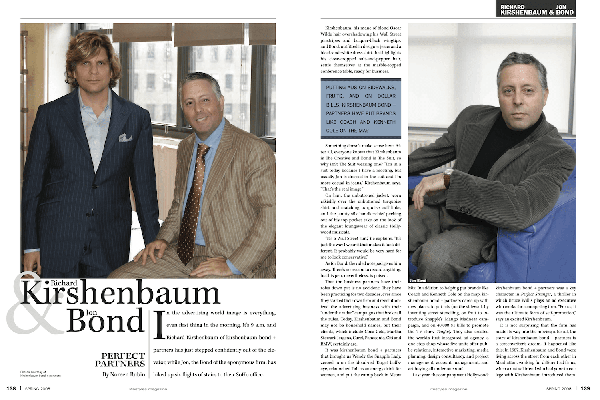
Jon Bond: The Legend Who Ditched Cookies for a Weightless World

Jon Bond isn’t just a name in advertising; it’s a blazing marquee in the hall of fame of marketing mavens. This dynamo, who forged his reputation at the helm of Kirshbaum, Bond and Partners, is now piloting the good ship Weightless through the turbulent seas of advertising, where antiquated tactics are about as useful as a pager in the age of smartphones. With the glint of a seasoned iconoclast, Jon dishes on his latest caper, “We’re steering a cookie-less AI media firm,” tossing a playful jab at the industry’s old guard clinging to data-tracking cookies like a lifeline. “Picture this,” he quips, “you’re entering a space race, but your competition is saddled with horse and buggies while you’ve already launched the rocket.”

Jon finds immense humor in the sluggish pace at which the advertising industry embraces change. He gleefully recounts an incident from a recent boardroom meeting, which illustrates this point starkly. “All the incumbents are betting on cookies. So they’re tabulating who wins—the cookies or the cookie-less brigade, except there are no cookies on our side. Their score? A resounding zero.” His laughter, rich and hearty, underscores the stark irony of the situation. Here, Jon highlights a glaring truth: the industry clings to its familiar tools and methods with a stubbornness that borders on comical, hesitant to step away from their well-worn paths and into the brisk, invigorating winds of innovation.

This episode isn’t just a funny anecdote; it’s a sharp critique of an industry that often seems to be marching in place. Jon’s amusement at the scenario comes with an edge, a pointed reminder of how slow the ad world is to drop outdated practices and adopt new, more effective technologies. “They’re like old dogs trying to learn new tricks, but they can’t get past their old habits,” Jon might say, pointing out the reluctance to shift away from what’s known and comfortable, even when it’s demonstrably ineffective. His insights aren’t just barbs thrown for the sake of amusement; they’re calculated comments meant to prod the industry into self-reflection and, hopefully, into action.

Indeed, Jon’s laughter serves a dual purpose—it amuses but also cuts through the inertia, revealing the absurdity of clinging to obsolete technologies in a fast-evolving field. He uses humor as a tool to highlight the resistance to change, suggesting that this hesitance is not just a minor hiccup but a significant obstacle to progress. “They hold on to their cookies because it’s what they know, ignoring the fact that the rest of the world is moving on,” he could quip, drawing a clear line between the past and the future. In these moments, Jon’s mirth encapsulates both a critique and a challenge: for an industry so rooted in creativity, it’s time to innovate or be left behind.

Jon Bond’s approach to success in the advertising world isn’t hidden behind curtains of mystery; it’s as visible as the neon lights of Times Square. He brings a maverick flair to the traditional corporate playbook, drawing heavily on insights gained from his New York tenure. “I look for people who’ve uprooted their lives to jump into the chaos of New York,” he admits with a grin, highlighting his preference for individuals who have willingly thrown themselves into the deep end. This strategy isn’t merely about adding new faces to the mix; it’s a calculated move to ensure his team stays on the bleeding edge, riding the wave of innovation rather than being swallowed by the sea of industry stagnation.

Jon’s philosophy stems from an essential truth about the current pace of change in business and technology—it waits for no one. His own leap from the vibrant hustle of the East Coast to the tech-saturated environment of Los Angeles exemplifies his commitment to staying ahead. “As fast as things change, you’ve got to be quicker,” he states, underscoring the need for speed in adaptation and decision-making. This mindset is not just about keeping up; it’s about leading the charge, ensuring that his operations and strategies preempt the next big trend rather than scrambling to catch up.

His method is about proactively crafting the future of advertising by choosing team members who embody flexibility and innovation. Jon’s focus on hiring individuals who have demonstrated boldness in their personal lives is a metaphor for his broader business strategy: embrace risk and reward bravery. This approach ensures that his agency doesn’t just participate in the market but actively shapes it, pushing boundaries and setting benchmarks.

He doesn’t just play the game by the rules—he writes new ones. This is evident in how he integrates the chaos of New York’s melting pot into the DNA of his company culture. He believes that those who can navigate and thrive in such a dynamic environment bring invaluable skills to his business. “These people are used to constant change; they expect it and know how to leverage it,” Jon might say, highlighting why he values this trait. His leadership style is about harnessing this perpetual motion, turning potential turbulence into powerful forward momentum.

By constantly rewriting the playbook, Jon ensures that his agency remains not just a player but a leader in the advertising arena, often dictating the pace and direction of industry innovations. His move to LA wasn’t just a change of scenery but a strategic positioning, placing himself at the heart of technological advancement and creative disruption. This geographical shift mirrors his professional ethos—always be where the future is being made, not where it has been settled.

Jon Bond’s revolutionary approach and relentless drive for innovation serve as a robust testament to his success. His career trajectory and strategic decisions provide a blueprint for navigating the rapidly evolving landscapes of advertising and technology. By staying agile, embracing change, and continually challenging the status quo, Jon exemplifies the qualities necessary to lead and succeed in today’s fast-paced business world. His story is not just about adapting to change but about being an agent of change, a crucial distinction that sets him apart in a field that’s often too content to follow rather than lead.

At the heart of Jon’s latest venture, Weightless, lies a fervent desire to declutter the labyrinthine world of marketing. He paints a vivid picture of the typical client’s plight, overwhelmed by an unwieldy arsenal of agencies. “Imagine juggling 17 agencies,” Jon says, shaking his head. “How do you cut through the red tape to focus on what truly matters—media and impact?” His solution with Weightless is disarmingly simple yet revolutionary: streamline to amplify. It’s about peeling back the layers of bureaucracy to reveal the lean muscle of effective marketing underneath.

This streamlined approach was catalyzed by what Jon describes as an ‘aha’ moment during yet another meeting echoing past frustrations about shrinking budgets. “It was like being stuck in a rerun of a bad TV show,” he laments. “Always discussing what we can’t do because the money’s run out.” That’s when the idea for Weightless took flight—to rise above the financial squeeze by reimagining how resources are allocated and used, making leanness a strategy rather than a limitation.

Reflecting on the heady days at Kirshbaum, Bond, and Partners, Jon’s face lights up as he recalls the culture that became the agency’s lifeblood. “We weren’t just creating ads; we were cultivating an ethos,” he asserts. The environment he fostered wasn’t about conforming to a stuffy corporate mold but about celebrating each individual’s quirks and creativity. This wasn’t merely a workplace; it was a dynamic playground where the best ideas thrived on the fuel of diversity and mutual respect.

Years later, the legacy of KBP’s culture is a vibrant tapestry of stories and reunions. “If there’s a gathering or, heaven forbid, a memorial, you’ll see a flash mob of former colleagues at the nearest bar, reminiscing about the golden days,” Jon shares with a mix of pride and nostalgia. It’s this enduring sense of community and belonging that many of his former team members cite as transformative, not just for their careers but for their lives. It stands as a testament to an environment where people were valued not just as employees but as integral threads in the broader tapestry of the agency’s story.

Jon’s journey from ad world titan to avant-garde leader at Weightless encapsulates more than just a career trajectory; it’s a manifesto on the power of innovation and cultural dynamism. His reflections offer a treasure trove of insights on how navigating the whirlwind of technological and market changes with agility and foresight can set the pace for leadership. In Jon’s world, adapting with a wink and a smile isn’t just advisable; it’s indispensable. It’s this blend of wisdom, humor, and relentless pursuit of transformation that keeps him at the forefront, leading the charge with the flag of innovation proudly unfurled.

AI Hysteria: Are We Heading for Another Dot-Com Debacle?

Hold onto your hats, folks, because the AI hype train is barreling toward what looks like a brick wall. Investors are sweating bullets, wondering if they’ve thrown billions into the next big thing or the next big flop. The whispers in Silicon Valley are getting louder: Is this the second coming of the dot-com crash?

Let’s dive into some numbers that will make your head spin. David Cahn from Sequoia Capital, a guy who probably has more zeros in his bank account than most of us have seen in our lifetimes, dropped a bombshell. He said AI companies need to rake in about $600 billion annually to justify their shiny new datacenters. For context, that’s like asking your neighborhood lemonade stand to pay off the national debt. Nvidia, the poster child of AI hardware, made a cool $47.5 billion last year. Impressive? Sure. But it’s like putting a Band-Aid on a bullet wound when you look at the overall costs.

 Déjà Vu, Dot-Com Style

Remember the dot-com bubble? If you were too young or too busy playing with your Tamagotchi, let me paint a picture: It was like a frat party where everyone thought they were the next Mark Zuckerberg before Facebook was a thing. Then, bam! The bubble burst, and people’s dreams of endless riches turned into nightmares of bankruptcy. It was a bloodbath, and if you think the AI craze is any different, I’ve got a bridge to sell you.

James Ferguson, a grizzled veteran from MacroStrategy Partnership, isn’t buying the AI hype. On a recent episode of “Merryn Talks Money” (a podcast that sounds like it’s trying too hard to be hip), he likened the AI frenzy to the dot-com days. “These historically end badly,” he said, probably while sipping a scotch and rolling his eyes. According to him, AI is still “completely unproven,” and if it can’t be trusted, it’s about as useful as a screen door on a submarine.

 The Hallucination Hilarity

Let’s talk about one of AI’s most charming quirks: its tendency to “hallucinate.” No, it’s not dropping acid at Burning Man or getting high on its own supply. In AI lingo, hallucinations mean spitting out completely wrong or misleading information with all the confidence of a seasoned politician. Imagine you ask your GPS for directions to the nearest Starbucks, and it tells you to drive straight into a lake. Fun times, right? This issue makes AI about as reliable as your drunk uncle at a family reunion, who insists he can balance a beer bottle on his nose—right before he faceplants into the buffet table. It’s the kind of problem that keeps tech executives awake at night, wondering if their shiny new AI toy is going to embarrass them on a global scale.

Ferguson, ever the realist, suggested that Nvidia—a leading producer of AI computing chips—might be as overvalued as a tech stock in the dot-com bubble. Remember those days? Companies were valued higher than Mount Everest without making a single penny. Nvidia, the golden goose of AI, is hailed as the savior of the tech world, but what happens when the goose starts laying rotten eggs? You’ve got a room full of investors with egg on their faces and a very expensive omelet no one wants to eat. It’s a high-stakes game of financial chicken, and the question on everyone’s lips is whether Nvidia can deliver the goods or if it’s all just a lot of hot air.

The problem with these AI hallucinations is they’re not just funny—they’re potentially dangerous. Picture AI running a critical system, like healthcare diagnostics or autonomous driving, and deciding to take a creative detour. That’s the stuff of dystopian nightmares. Yet, here we are, pouring billions into technology that sometimes behaves like a misinformed toddler. Investors are starting to wonder if their AI darling is really worth the hype or if they’ve been sold a bill of goods. After all, nobody wants to wake up one morning to find out their multi-billion-dollar investment is about as useful as a chocolate teapot. The AI dream could quickly turn into a very expensive nightmare if these issues aren’t ironed out soon.

AI: Savior or Sideshow?

Generative AI was supposed to be the silver bullet for everything from content creation to customer service. Picture a world where your every mundane task is automated, and your customer service interactions are smoother than a baby’s bottom. The tech wizards promised us a future where AI would write our reports, solve our customer complaints, and maybe even tuck us in at night. But now, even the most devout AI evangelists are starting to hedge their bets. Companies are setting up “sandboxes” to test AI in controlled environments, hoping to avoid any public meltdowns. It’s like testing a new kind of fireworks in a bomb shelter—you hope for a spectacular show, but you’re prepared for a disaster.

The term “sandbox” sounds cute and playful, but let’s be real. It’s a padded room for AI to play in without causing chaos in the real world. These companies are essentially saying, “Hey, we believe in our AI, but just in case it tries to start World War III or turn our customer complaints into existential crises, we’ll keep it locked up where it can’t do too much damage.” It’s a bit like handing a toddler a chainsaw and saying, “Go play outside, but stay within the fenced yard.” You’re bracing for something to go horribly wrong.

Tim Lippa from Assembly summed it up nicely: “Everything is AI now. Is it really?” Spoiler alert: Not always. Slapping an AI sticker on your product doesn’t make it smarter, just like putting a Ferrari logo on a Honda Civic doesn’t make it faster. And the industry is littered with these faux-AI products that promise the moon but deliver a soggy slice of cheese. It’s the tech world’s equivalent of putting lipstick on a pig and calling it a beauty queen. The label might look fancy, but underneath, it’s still just a pig.

The market is now flooded with AI products that are about as intelligent as a box of rocks. These so-called AI solutions often turn out to be nothing more than glorified algorithms, doing the same old tasks but with a shiny new badge. Companies are trying to jump on the AI bandwagon faster than hipsters flocking to the next avocado toast trend. They think they can sprinkle a little AI fairy dust on their outdated tech and suddenly be the next big thing. But newsflash: If your core product is garbage, no amount of AI sparkle is going to turn it into gold.

The problem is, there’s a lot of smoke and mirrors in the AI industry right now. Companies are over-promising and under-delivering, making bold claims about their AI capabilities while quietly setting up those padded sandboxes in the backroom. It’s a classic case of “fake it till you make it,” but in this high-stakes game, the stakes are billions of dollars and the future of entire industries. Investors are starting to get wise to the act, and the once unshakable faith in AI is beginning to wobble.

Virtual Influencers: The Digital Mirage

Remember the buzz around virtual influencers? Digital creations like Lil Miquela were supposed to revolutionize marketing. Instead, they’ve become the tech world’s version of pet rocks. Becky Owen from Billion Dollar Boy nailed it: The hype has died down, and brands are shifting focus to more tangible tech like chatbots. It turns out, people prefer influencers with a pulse. The height of it was, everyone wanted to have a story in the headlines and have something, and that’s really gone down,” said Becky Owen, chief marketing and innovation officer at Billion Dollar Boy influencer marketing agency.

In the age of TikTok, authenticity is king. Virtual influencers, no matter how polished, can’t replicate the genuine connection that real humans offer. Brian Yamada from VMLY&R hit the nail on the head: AI influencers lack the cultural resonance and authenticity that real people bring to the table. They’re the tofu of the influencer world – technically food, but lacking the flavor and texture we crave.

In the early 2010s of virtual influencers, they existed largely as still images. “It’s reasonable to assume that the growth of TikTok, as well as audiences seeking motion/video content, made maintaining those virtual influencers a much heavier lift for those managing the pages,” Jay Powell, svp of communications and influencer at Crispin Porter Bogusky, said in an email.

That’s not to say the industry will stumble upon a digital graveyard anytime soon. Miquela continues to post regularly, having recently landed an ad with Worldcoin, a biometric cryptocurrency project, and appearing alongside celebrities like Spanish singer-songwriter Rosalia on Instagram. But perhaps in the same vein as social commerce and live shopping, these tech trends have taken off in Asian countries only to fizzle out in the West — at least for now.

At Dentsu Creative Singapore, however, the technological advancements of AI in the influencer space have spurred, according to Prema Techinamurthi, who serves as managing director. Said growing interest is based on virtual influencers ability to adapt in any scenario, consistency and creative control for marketers and global appeal, given virtual influencers can be designed to cross geographical and language barriers.

The Glorified Guinea Pigs

Let’s be real. AI right now is a bunch of glorified guinea pigs running around in their little sandboxes, making cute noises but not really doing anything groundbreaking. It’s like we’ve handed these little critters the keys to the kingdom and then locked them in a playpen because, surprise, surprise, they can’t be trusted not to poop all over the place. Cristina Lawrence from Razorfish mentioned recently that their agency has agreements with larger platforms to keep data sandboxed. Translation: “We don’t trust our AI not to turn our data into digital confetti, so we’ve wrapped everything in bubble wrap and put up baby gates.”

You have to understand, these “multiple levels of check steps” are just fancy talk for “we’re covering our butts because we have no idea what this tech is going to do next.” It’s like giving a toddler a Sharpie and hoping they’ll create a masterpiece instead of redecorating your walls. Lawrence’s idea of “open and transparent” might as well be corporate speak for “we’re doing everything we can to make sure our AI doesn’t accidentally set the office on fire.” The digital equivalent of bubble-wrapping everything to make sure nothing gets scratched? More like bubble-wrapping everything to ensure our jobs don’t go up in flames when the AI decides to go rogue.

And let’s not pretend this is an isolated practice. Everyone in the AI game is playing it safe, building these digital playpens for their tech like it’s a pack of unpredictable puppies. These sandboxes are supposed to be where AI can stretch its legs and run around without causing too much damage, but really, it’s more like letting them frolic in a padded room. It’s cute, sure, but groundbreaking? Not even close. We’re watching a bunch of digital hamsters running on their wheels and calling it progress. Meanwhile, the tech giants are patting themselves on the back for being “innovative” while essentially playing it safe.

So here we are, with all this supposed cutting-edge technology, and what are we doing with it? Playing digital babysitter. We’ve got these AI guinea pigs locked up tight because, frankly, no one wants to deal with the mess if they get out. It’s the ultimate in corporate CYA—cover your ass—making sure that if something goes wrong, it’s contained and controlled. The future of AI is looking less like a sci-fi utopia and more like a highly monitored daycare where every move is watched and every potential tantrum is preemptively managed. So much for the brave new world.

The Verdict

So, is the generative AI boom dead? Not quite. But the cracks are showing, and the tech world’s latest darling might be in for a rough ride. The bubble might not have burst yet, but you can bet there are plenty of folks watching closely, ready to say “I told you so” if it does. In the meantime, keep your popcorn handy – this show is far from over.